Training
Progressive Overload Without the Noise
A clean, repeatable system for adding weight and reps without spreadsheets or guesswork.
Waleed S.Jan 24, 20262 min read
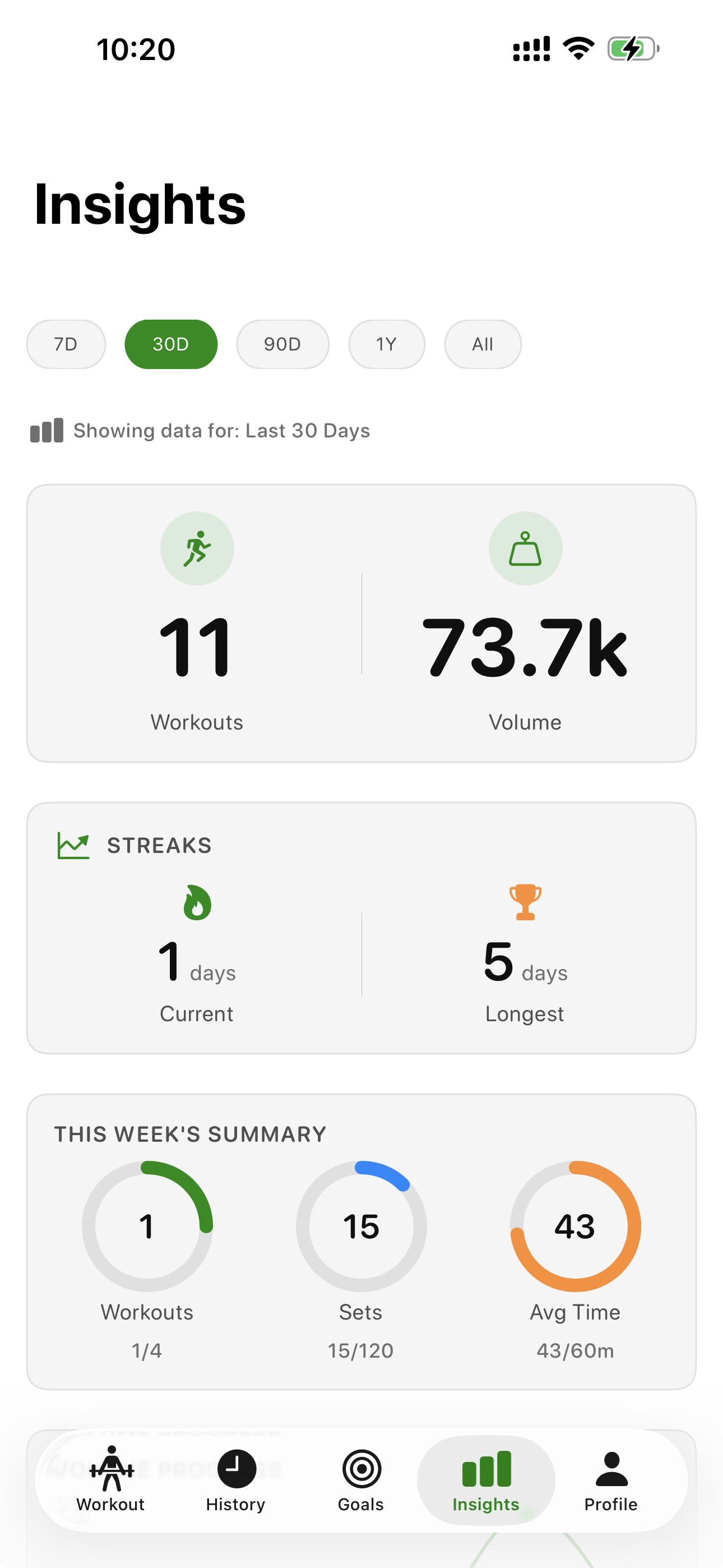
A clean, repeatable system for adding weight and reps without spreadsheets or guesswork.
Progressive overload works best when the signal is clean. You don't need more data — you need the right data. Here's a minimalist system that keeps your training honest while staying frictionless in the gym.
Disclaimer: This article is for educational purposes and is not medical advice.
Choose one variable to improve each week: weight or reps. Keep everything else stable. This makes your next session obvious and eliminates the "should I change everything?" spiral.
Use a tight rep range such as 5–8 or 8–12. Once you hit the top of the range for all sets, increase load by the smallest available increment.
Record sets, reps, and load. Notes are helpful, but only when they influence the next session (sleep, soreness, or form cues). If it doesn't affect the next lift, don't log it.
Look at the trend once a week. If the week improved by even one rep at the same weight, you are progressing. Consistency beats intensity swings.
If you stall for two weeks, reduce load by 5–8% and rebuild. This keeps momentum without grinding your nervous system down.
Progressive overload doesn't have to be noisy. Track the lift, improve one lever, and keep showing up. That's the whole system.
For quick training math, use Bazu's one-rep max calculator, or the Bench Press Calculator for bench-specific estimates. If you want to benchmark a squat, bench press, deadlift, or total by bodyweight, use the Strength Standards Calculator.

Founder of Bazu · 10+ years strength training
I'm the builder and user of Bazu. I've been lifting for over 10 years across strength and hypertrophy work, and I built Bazu to make progress simpler for serious lifters — every feature is designed around how real training actually works.
Continue with a relevant calculator, exercise guide, or Bazu feature.
Turn your best recent set into a practical next-session target.
ExploreExerciseReview squat depth, bracing, common mistakes, and programming.
ExploreProduct updateSee how Bazu turns workout history into the next weight or rep target.
ExploreProductSee how Bazu turns completed sets into specific weight and rep targets.
ExploreDownload Bazu to log workouts fast, track progressive overload, and catch PRs without the noise.

Join for practical strength tips, cleaner logging workflows, and Bazu updates that help you know what to do next workout.
This site is protected by reCAPTCHA and the Google Privacy Policy and Terms of Service apply. See our Privacy Policy for details on how Bazu handles submissions.
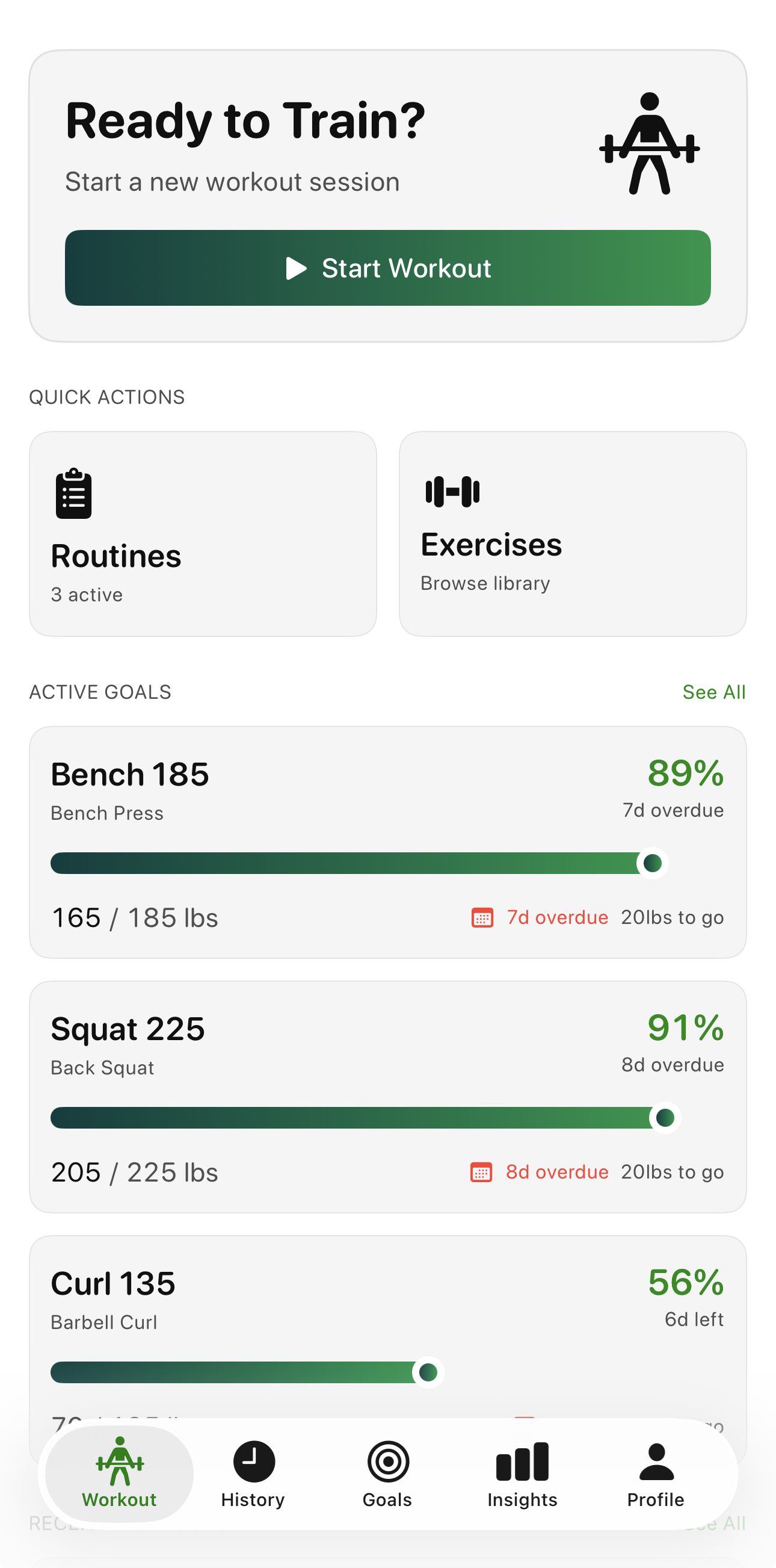
A simple, repeatable progressive overload system for building strength—what to increase, when to back off, and how to track progress without guesswork.
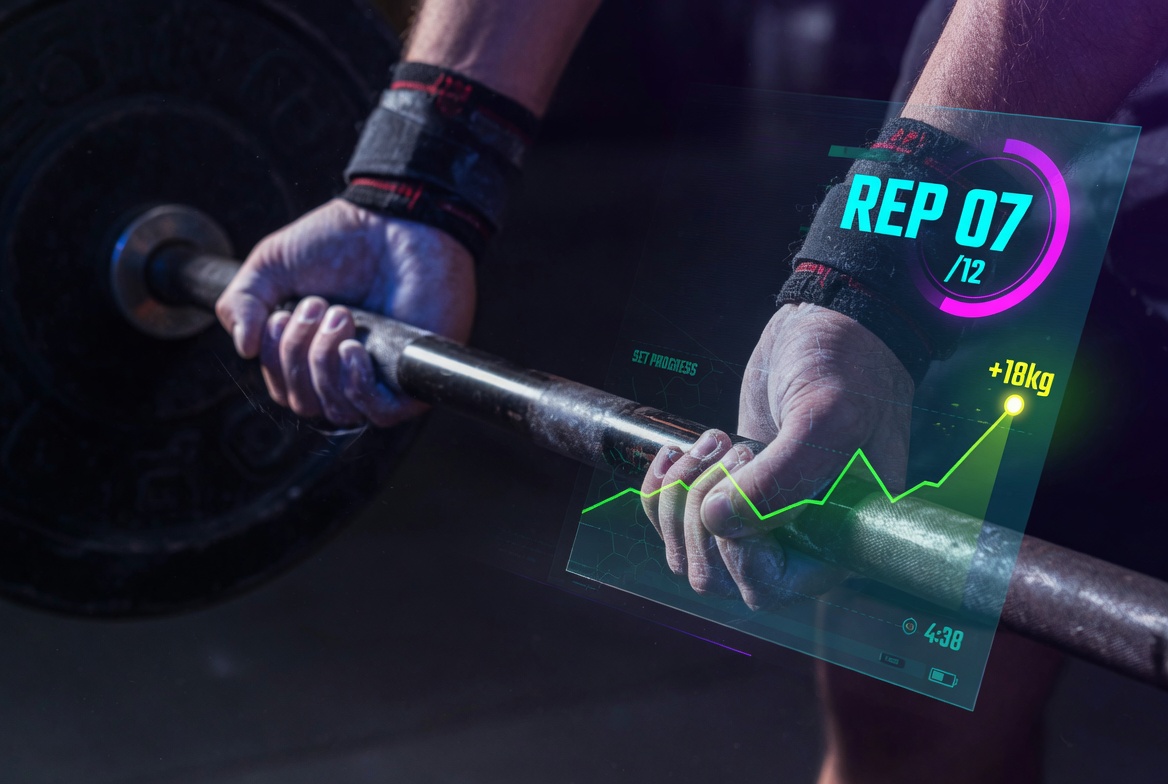
Learn how progressive overload works, when to add weight, when to build reps, and how to keep getting stronger without guessing your next workout.
Find the best bench press alternatives for chest growth and strength. Compare dumbbells, push-ups, machines, floor presses, cables, and more.
Compare full-body and split workouts by muscle growth, strength, schedule, recovery, and missed sessions—then choose the routine you can progress.
Follow a complete three-day push pull legs routine with exercises, sets, reps, rest times, substitutions, and a simple progression plan for muscle growth.
Use this balanced 4-day upper/lower split to train each major muscle group twice per week, with exercises, sets, reps, rest times, and progression rules.