Training
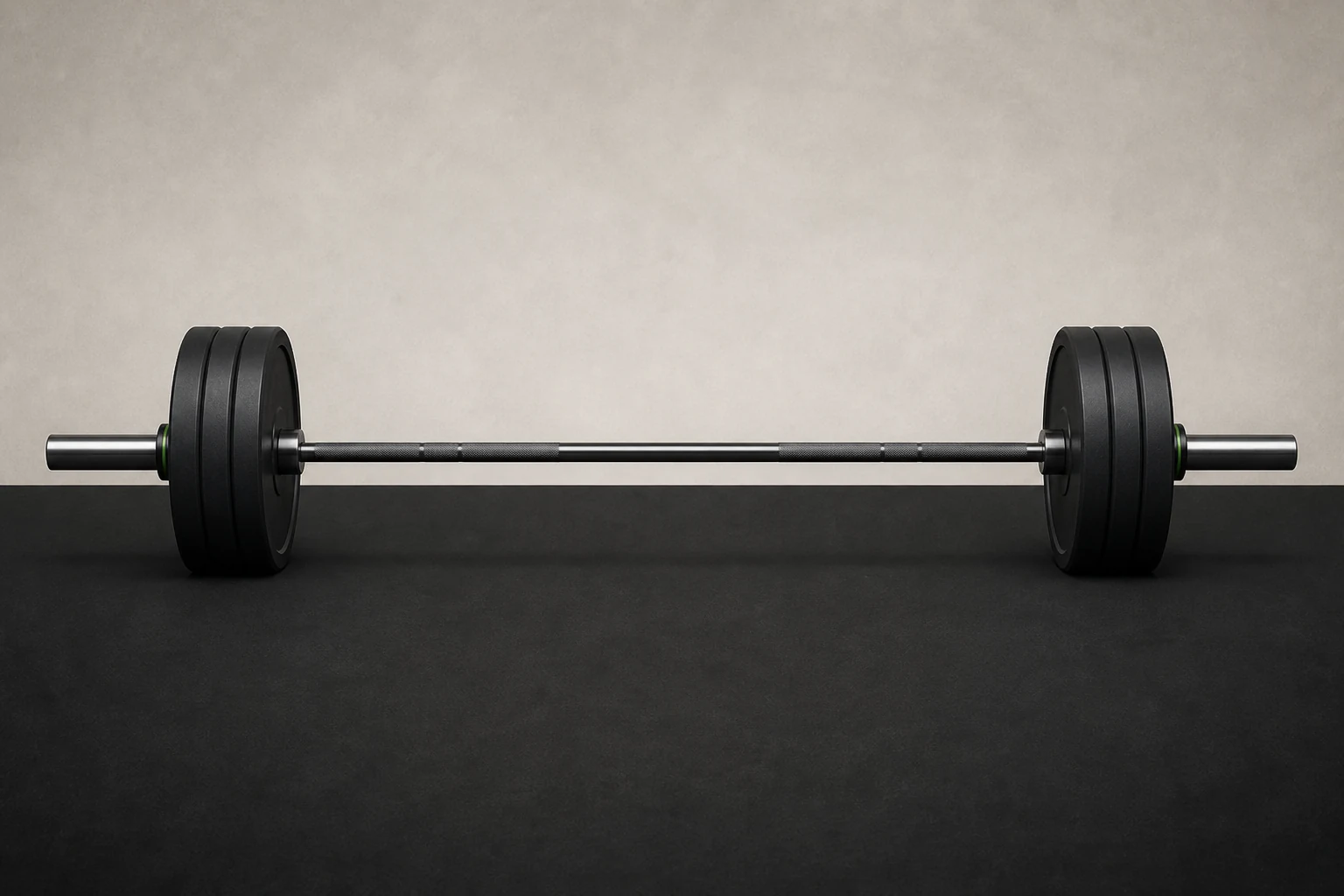
9 Best Bench Press Alternatives for Any Setup or Goal
Find the best bench press alternatives for chest growth and strength. Compare dumbbells, push-ups, machines, floor presses, cables, and more.
Waleed S.Aug 9, 202615 min read
Find the best bench press alternatives for chest growth and strength. Compare dumbbells, push-ups, machines, floor presses, cables, and more.
The best bench press alternative for most lifters is the dumbbell bench press. It preserves the main horizontal pressing pattern, trains the same major muscle groups, and lets each arm move independently.
If you do not have a bench, choose a weighted or band-resisted push-up. If you want a stable exercise for hard chest sets, use a machine chest press. If barbell bench strength is the goal, keep some barbell practice when it is available and comfortable because strength is specific to the movement you train.
| Your constraint or goal | Best starting choice |
|---|---|
| No barbell or rack | Dumbbell bench press |
| No bench | Weighted push-up or dumbbell floor press |
| Home training on a budget | Push-up or resistance-band chest press |
| Stable chest-focused sets | Machine chest press |
| Train one side at a time | One-arm cable chest press |
| More upper-chest emphasis | Incline dumbbell press |
| Improve barbell bench performance | Barbell bench practice plus a supporting alternative |
Disclaimer: This article is educational and is not medical advice. Exercise should not be used to diagnose or treat shoulder, elbow, chest, or back pain. Seek qualified care for sudden, severe, worsening, or persistent symptoms.
A useful replacement does not need to look identical to the barbell bench press. It should preserve what your program needs from it:
The goal matters most. A machine press can be excellent for hypertrophy—muscle growth—but it will not teach the exact skill of stabilizing a barbell. A push-up can be a serious strength exercise when loaded, but an easy set of 40 is not a direct replacement for a hard set of five.
Research supports this practical view. Two systematic reviews found no meaningful difference in muscle growth between free-weight and machine training, while strength improvements favored the type of exercise used in testing. The latest American College of Sports Medicine guidance likewise emphasizes consistent progressive training over one mandatory equipment type for the average healthy adult.
The dumbbell bench press is the closest all-purpose replacement. It keeps you on a bench, uses a similar pressing path, and makes progressive overload straightforward. Because your hands are not fixed to one bar, you can also use the grip and elbow position that feels most natural.
Use it when: you have a bench and dumbbells but no barbell, rack, or spotter.
How to progress: choose a rep range such as 6-10. Once every working set reaches 10 clean reps with one to three reps in reserve (RIR), increase the dumbbells and rebuild from the lower end. RIR means the good repetitions you estimate you could still complete.
Do not convert your barbell load into an expected dumbbell number. The setup, stability, and load in each hand are different. Record the dumbbell press as its own exercise and build a separate baseline.
Push-ups train the same broad pressing muscles without a bench, rack, or weights. Elevate your hands to make them easier; use a band, weight vest, or plate secured by a partner to make them harder. Raising your feet changes the angle but is not a precise load progression by itself.
A study of resistance-trained adults found similar movement characteristics and upper-body muscle activation between push-ups and bench presses at comparable loads. In a separate five-week trial, heavy band-resisted push-ups and bench presses produced similar strength improvements. Those are encouraging findings, not proof that every push-up variation equals every bench program.
Use it when: space, cost, or travel rules out a bench.
How to progress: work within 8-20 clean reps. Add a small amount of resistance when you reach the top of the range without losing a rigid torso or consistent depth.
For easier and harder push-up variations, use the progression ladder in the bodyweight exercise guide.
A chest press machine removes much of the setup and balance demand, making it easier to focus on pressing hard and controlling the repetition. It is a strong choice for muscle-building sets, beginners learning to apply effort, or anyone who prefers a fixed station.
Machines are not automatically inferior for muscle growth. Meta-analyses comparing machine and free-weight programs found similar hypertrophy outcomes. The important limitation is specificity: a machine press makes you better at that machine more directly than it makes you better at a barbell bench test.
Use it when: you want a stable setup and easy load changes.
How to progress: use 6-12 or 8-15 reps, standardize the seat and handle settings, and add the smallest plate increment after you own the top of the range.
The floor press starts and ends with your upper arms on the floor, so it needs only dumbbells and a clear space. The floor limits the bottom position and usually shifts more work toward the middle and top of the press. That makes it convenient, but not automatically safer for every shoulder.
Use it when: you have dumbbells but no bench, or want a press with a deliberately shorter bottom range.
How to progress: pause gently when the upper arms contact the floor—do not bounce—and use a 6-12 rep range. If the dumbbells become awkward to position, use a lighter load, have a competent partner hand them to you, or choose push-ups instead.
Our dumbbell-only home workout uses the floor press in a complete three-day plan.
An incline changes the pressing angle and generally increases the contribution of the upper chest and front deltoids. A modest incline is usually enough; setting the bench nearly upright turns the exercise into more of a shoulder press.
Use it when: your program calls for a chest press with more upper-chest emphasis.
How to progress: keep the bench angle consistent, use 6-12 reps, and avoid comparing the load directly with your flat press.
Download the one-page guide with equipment matches, starting rep ranges, progression rules, and a four-week test.
By submitting, you’ll receive the cheat sheet and occasional Bazu emails. Unsubscribe anytime.
This site is protected by reCAPTCHA and the Google Privacy Policy and Terms of Service apply. See our Privacy Policy for details on how Bazu handles submissions.
A standing or split-stance cable press lets you train one side at a time and adjust the cable height. The cable maintains resistance through more of the movement, while your trunk works to keep you from rotating.
Use it when: you want an independent-arm press, an adjustable path, or a standing option.
How to progress: use 8-15 reps per side. Keep the stance, pulley height, and distance from the stack consistent so the log reflects real progress.
Anchor a band securely behind you and press forward without letting the band rub across a sharp surface. Bands are inexpensive and pack easily, but resistance rises as the band stretches, and small changes in distance can change the difficulty.
Use it when: travel or a small home setup makes heavier equipment impractical.
How to progress: mark your stance, use the same band and anchor height, and work in a broad 10-20 rep range. Move to a stronger band only after you reach the top with consistent form.
Dips can provide a demanding press for the chest and triceps, especially when you add load. They also require more shoulder extension and sufficient control at the bottom, so they are not the default answer for beginners or someone trying to work around shoulder pain.
Use it when: you already perform pain-free bodyweight dips with control and want a loadable bodyweight press.
How to progress: start with 5-10 clean reps, stop before the shoulder position becomes uncomfortable or uncontrolled, and add weight gradually. Choose another exercise if dips cause pain.
A landmine press follows an upward and forward path rather than a true horizontal press. The one-arm version is easy to perform in a half-kneeling or staggered stance and can fit lifters who prefer that pressing angle.
It is a useful press, but it is less specific to the chest and barbell bench than the options ranked above.
Use it when: you want a diagonal pressing pattern or need variety after your main horizontal press.
How to progress: use 8-15 reps per side and record the plates added to the bar, not the bar's total theoretical weight.
Carryover depends on similarity and on what is limiting your bench press.
| Alternative | Chest growth | Barbell bench carryover | Main limitation |
|---|---|---|---|
| Dumbbell bench press | High | Moderate to high | Different stability and setup |
| Weighted push-up | High when loaded | Moderate | Harder to standardize load |
| Machine chest press | High | Moderate | Fixed path; less barbell skill |
| Dumbbell floor press | Moderate to high | Moderate | Shorter bottom range |
| Incline dumbbell press | High | Moderate | Different press angle |
| Cable chest press | Moderate to high | Low to moderate | Different setup and force path |
| Dip | High when tolerated | Low to moderate | Different joint positions and skill |
| Band chest press | Moderate | Low to moderate | Resistance changes through the rep |
| Landmine press | Moderate | Low | Diagonal rather than horizontal press |
If your only goal is a bigger barbell bench, practice the barbell bench or a close barbell variation when possible. A 10-week study of dumbbell, Smith-machine, and unstable chest-press training found meaningful task-specific improvements: people tended to improve most at the movement they practiced.
Alternatives still help when a missing rack, schedule change, plateau, or temporary preference removes barbell work. Just do not promise yourself a precise one-to-one transfer.
Start by replacing working sets rather than chasing an equivalent weight.
| Original prescription | Practical replacement |
|---|---|
| Bench press 3 × 5 | Dumbbell or machine press 3 × 6-10 |
| Bench press 3 × 8 | Dumbbell, machine, or floor press 3 × 8-12 |
| Bench press 3 × 10 | Push-up, cable, or band press 3 × 10-20 |
| Heavy bench plus back-off sets | Dumbbell press 3 × 6-10, then push-ups 2 × 10-20 |
For the first two weeks:
If this progression method is new to you, the beginner's progressive overload guide explains how to add reps before load without changing several variables at once.
If you previously benched twice per week, you can use two different replacements:
This gives you one free-weight pattern and one stable or equipment-light pattern without turning the change into a complicated program.
Do not assume that one exercise on this list is universally “shoulder friendly.” Pain can come from different tissues and circumstances, and an online article cannot determine the cause.
Stop forcing the painful version. A lighter load, a grip that keeps the forearms comfortable, a shorter tolerable range, a machine, a push-up, or dumbbells may feel better—but pain is the decision boundary. Seek a qualified clinician for sudden, severe, worsening, or persistent symptoms, pain after trauma, marked weakness, or loss of normal function.
If a new variation is comfortable, rebuild conservatively. Record the exact exercise, setup, and range instead of treating it as the same bench press history.
When you switch exercises, the first workout creates a new baseline. Log the variation by its exact name, then compare it only with future sessions of the same movement. A 30-kilogram dumbbell press is not a failed 80-kilogram bench press; it is a different lift with its own progression. Use the weight and rep logging guide if you are unsure how to record dumbbells, machines, or bodyweight resistance.
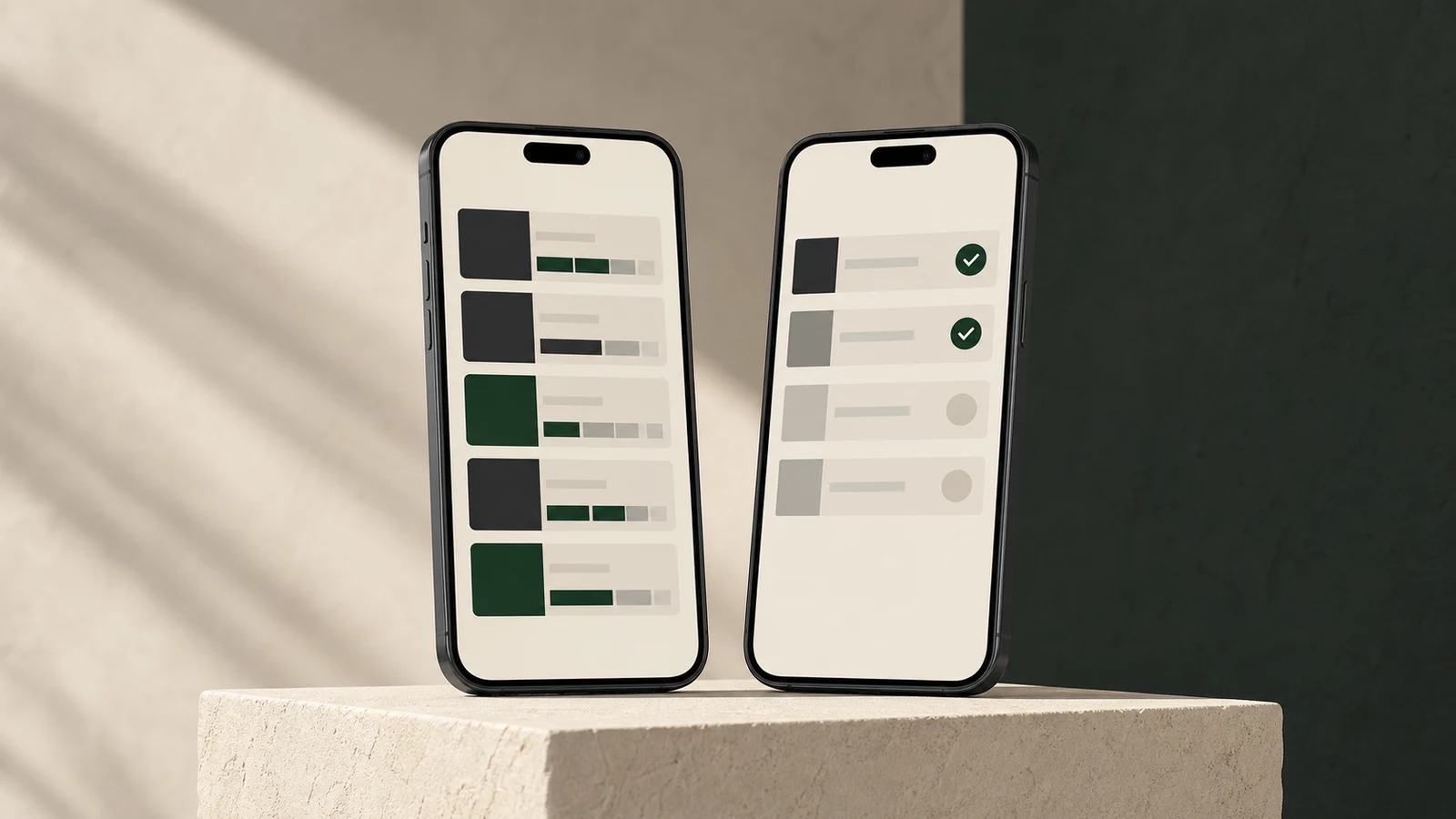
Bazu makes that transition simple on iPhone or Android. Bazu Free includes unlimited workouts and history, up to four routines, exercise charts, permanent personal records, estimated one-rep max, smart rest, offline logging, and Apple Watch support.
Save your chosen replacement in the routine, keep the setup consistent, and use its history to decide whether to add a rep or resistance. Bazu Pro adds progressive-overload targets and unlimited routines, goals, and custom exercises.
Download Bazu free on the App Store or on Google Play and give the new press four consistent weeks before judging whether it works.
The dumbbell bench press is the best general replacement because it keeps a similar horizontal pressing pattern, trains the chest, front delts, and triceps, and is easy to progress. If your goal is a stronger barbell bench press, keep some barbell bench practice when it is available and tolerable.
Yes. Dumbbell presses, machine chest presses, weighted push-ups, cable presses, and other progressively loaded pressing exercises can build the chest. Consistent challenging sets and gradual progression matter more for muscle growth than using one required exercise.
Use weighted or band-resisted push-ups, dumbbell floor presses, resistance-band chest presses, or standing cable presses. Push-ups are the simplest option; add load or a harder variation when the target rep range becomes easy.
Yes, when they are challenging enough. Research in trained participants found comparable movement and muscle activation at matched loads, and one short trial found similar strength gains from heavy band-resisted push-ups and bench presses.
A machine chest press can be similarly useful for building muscle. Strength gains are specific, however: train the barbell bench press if barbell bench performance is the test you care about.
There is no universally pain-free or safest replacement. Stop forcing a painful movement and try a tolerable exercise, grip, load, and range of motion. Seek a qualified clinician for sudden, severe, worsening, or persistent pain rather than using an exercise list as a diagnosis.
Choose one alternative that matches your equipment and goal, keep the same number of working sets at first, and use an appropriate rep range for the new exercise. Track it as a separate movement and progress its reps or resistance instead of trying to convert barbell weight directly.
Use the dumbbell bench press as the closest general replacement, a weighted push-up when you have no bench, and a machine chest press when stability and simple progression matter most. Use the floor press, cables, bands, dips, and landmine press when their setup fits your goal better.
No alternative wins in every situation. Pick one you can perform comfortably, standardize, and progressively improve. If barbell bench strength is the goal, keep some specific barbell practice; if chest growth is the goal, consistent challenging pressing matters more than the logo on the equipment.

Founder of Bazu · 10+ years strength training
I'm the builder and user of Bazu. I've been lifting for over 10 years across strength and hypertrophy work, and I built Bazu to make progress simpler for serious lifters — every feature is designed around how real training actually works.
Continue with a relevant calculator, exercise guide, or Bazu feature.
Estimate your 1RM and percentage-based training loads from a hard set.
ExploreExerciseBrowse proper form, muscles worked, mistakes, and progression advice.
ExploreProduct updateSee how Bazu keeps every personal record tied to your training history.
ExploreProductSee how logging, permanent PRs, charts, and workout history fit together.
ExploreDownload Bazu to log workouts fast, track progressive overload, and catch PRs without the noise.


Join for practical strength tips, cleaner logging workflows, and Bazu updates that help you know what to do next workout.
This site is protected by reCAPTCHA and the Google Privacy Policy and Terms of Service apply. See our Privacy Policy for details on how Bazu handles submissions.
Compare full-body and split workouts by muscle growth, strength, schedule, recovery, and missed sessions—then choose the routine you can progress.
A simple, repeatable progressive overload system: when to add reps, weight, or sets, how hard to train, what to do when you stall, and how to track it.

Compare adjustable dumbbells, kettlebells, resistance bands, pull-up bars, benches, and suspension trainers by price, space, and exercise versatility.
Follow a complete three-day push pull legs routine with exercises, sets, reps, rest times, substitutions, and a simple progression plan for muscle growth.
Use this balanced 4-day upper/lower split to train each major muscle group twice per week, with exercises, sets, reps, rest times, and progression rules.
Compare Bazu and Boostcamp by free features, programs, workout logging, analytics, Apple Watch support, and pricing to choose the right gym log.