Training
3-Day Full-Body Workout for Beginners (8-Week Gym Plan)
Follow a complete 3-day full-body workout for beginners with exercises, sets, reps, rest times, substitutions, progression, and an 8-week tracker.
Waleed S.Oct 8, 202612 min read

Follow a complete 3-day full-body workout for beginners with exercises, sets, reps, rest times, substitutions, progression, and an 8-week tracker.
If you are new to the gym, this three-day full-body workout for beginners gives you a complete plan without burying you in exercises. Each session has six movements, two working sets per movement, and a clear target for what to do next.
Use the workouts on Monday, Wednesday, and Friday. Most beginners can finish in 25–35 minutes once the exercises are familiar. The exact program is also ready to start in Bazu Free.
Disclaimer: This guide is for general education, not medical advice. If you have an injury, health condition, or exercise restriction, ask a qualified clinician or coach how to adapt the plan.
| Day | Workout | Focus |
|---|---|---|
| Monday | Beginner Squat | Squat, glutes, chest, back, core |
| Wednesday | Beginner Hinge | Hinge, legs, chest, back, shoulders, core |
| Friday | Goblet Squat & Pull | Legs, chest, back, rear delts, core |
Keep at least one recovery day between sessions. The weekdays are flexible: Tuesday, Thursday, and Saturday works too. What matters is preserving the workout order and returning consistently.
The updated 2026 American College of Sports Medicine position stand found that resistance training improves strength and muscle across many program designs. Its practical message is reassuring: consistency matters more than chasing a complicated “perfect” routine. Training major muscle groups at least twice weekly and using multiple sets are useful foundations.
This program trains the whole body three times per week with a small, repeatable dose. Repeating goblet squats and pulldowns also gives a beginner more chances to practice those movement patterns.
The federal Physical Activity Guidelines for Americans recommend muscle-strengthening activity for all major muscle groups on at least two days per week. This plan provides three opportunities while keeping each workout short.
Full-body training is not inherently better than every split. It is simply a strong match for a beginner who can reliably train three days. See our full-body vs. split routine comparison if you are choosing between formats.
Every listed set is a working set. Perform the warm-up described later before your first demanding lift. Keep most sets about 2–3 RIR, meaning you could have completed two or three more clean repetitions.
| Exercise | Sets | Reps or time | Rest |
|---|---|---|---|
| Goblet Squat (Dumbbell) | 2 | 8–12 | 60–120 sec |
| Glute Bridge (Dumbbell) | 2 | 8–12 | 60–90 sec |
| Chest Press (Machine) | 2 | 8–12 | 60–90 sec |
| Close-Grip Lat Pulldown (Cable) | 2 | 8–12 | 60–90 sec |
| Seated Row (Cable) | 2 | 8–12 | 60–90 sec |
| Plank | 2 | 20–40 sec | 60 sec |
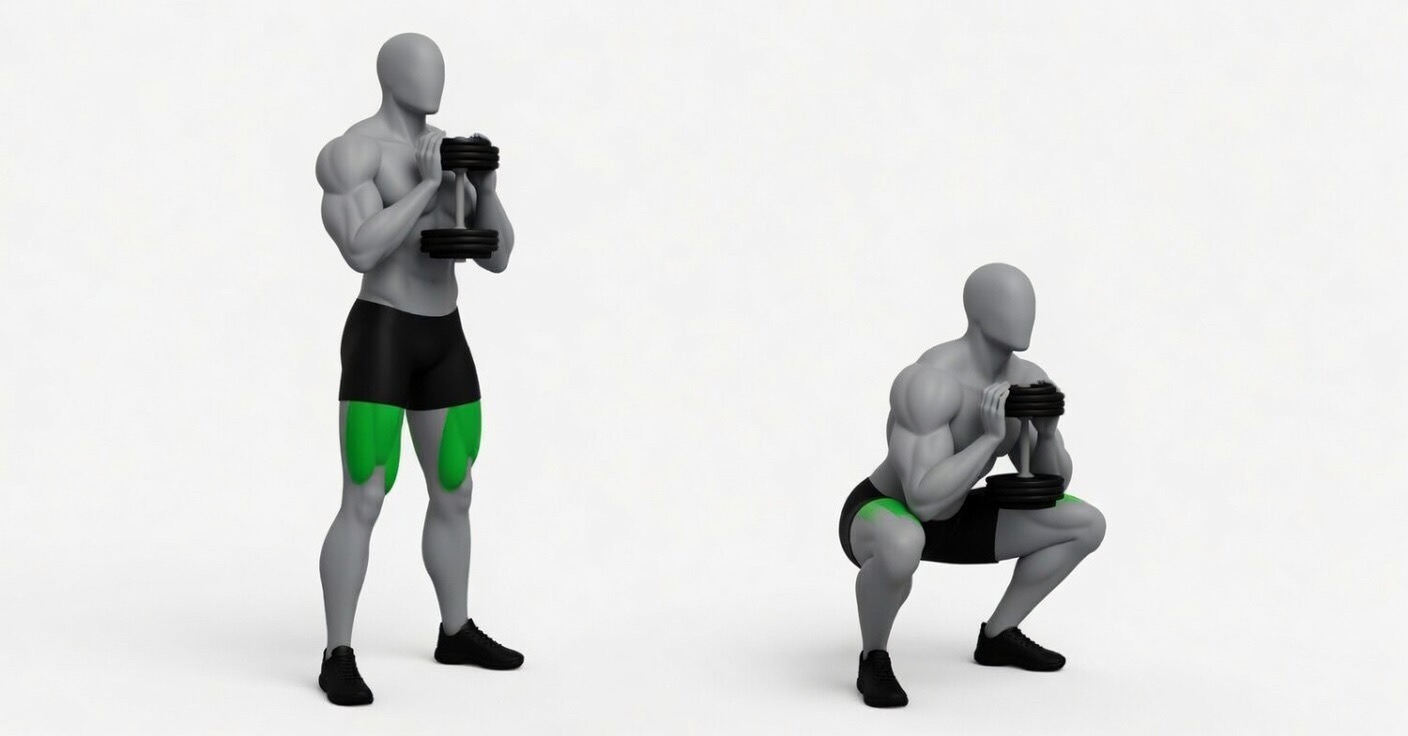
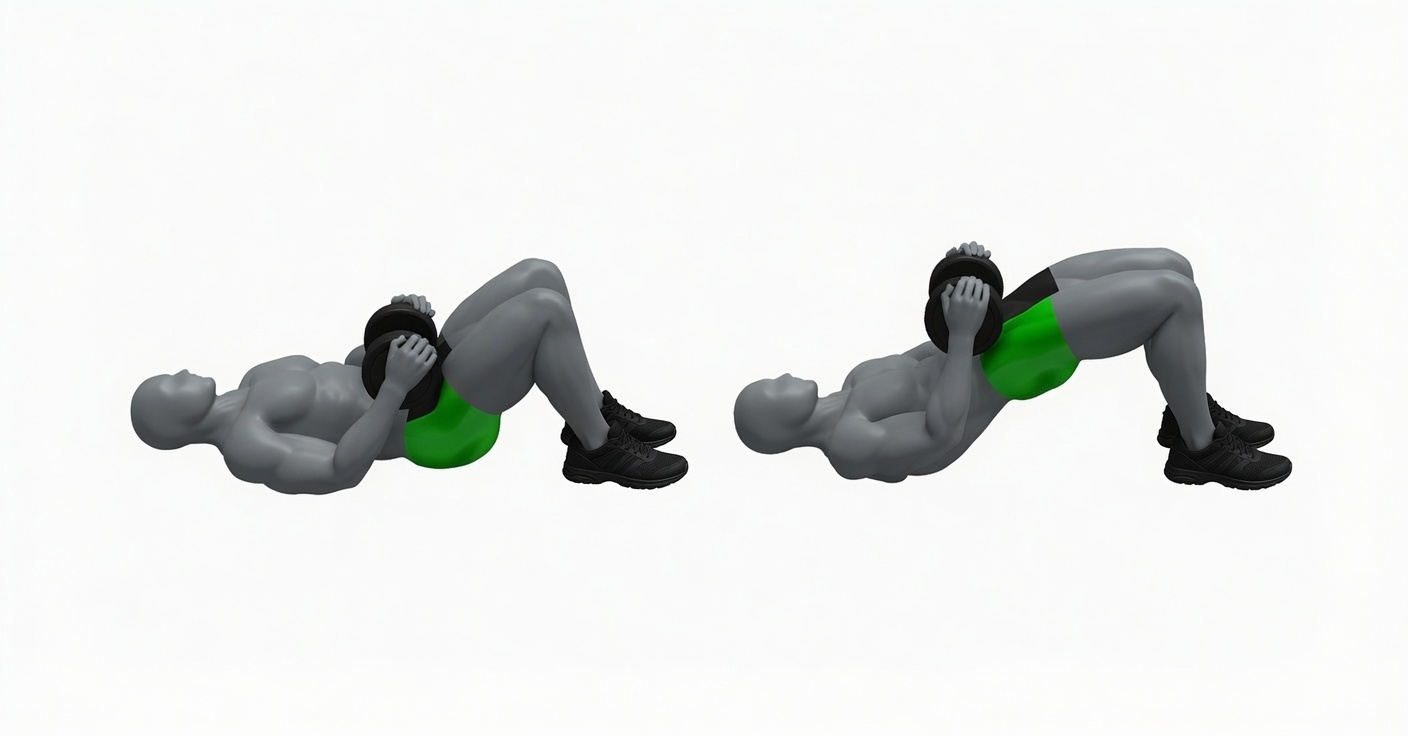
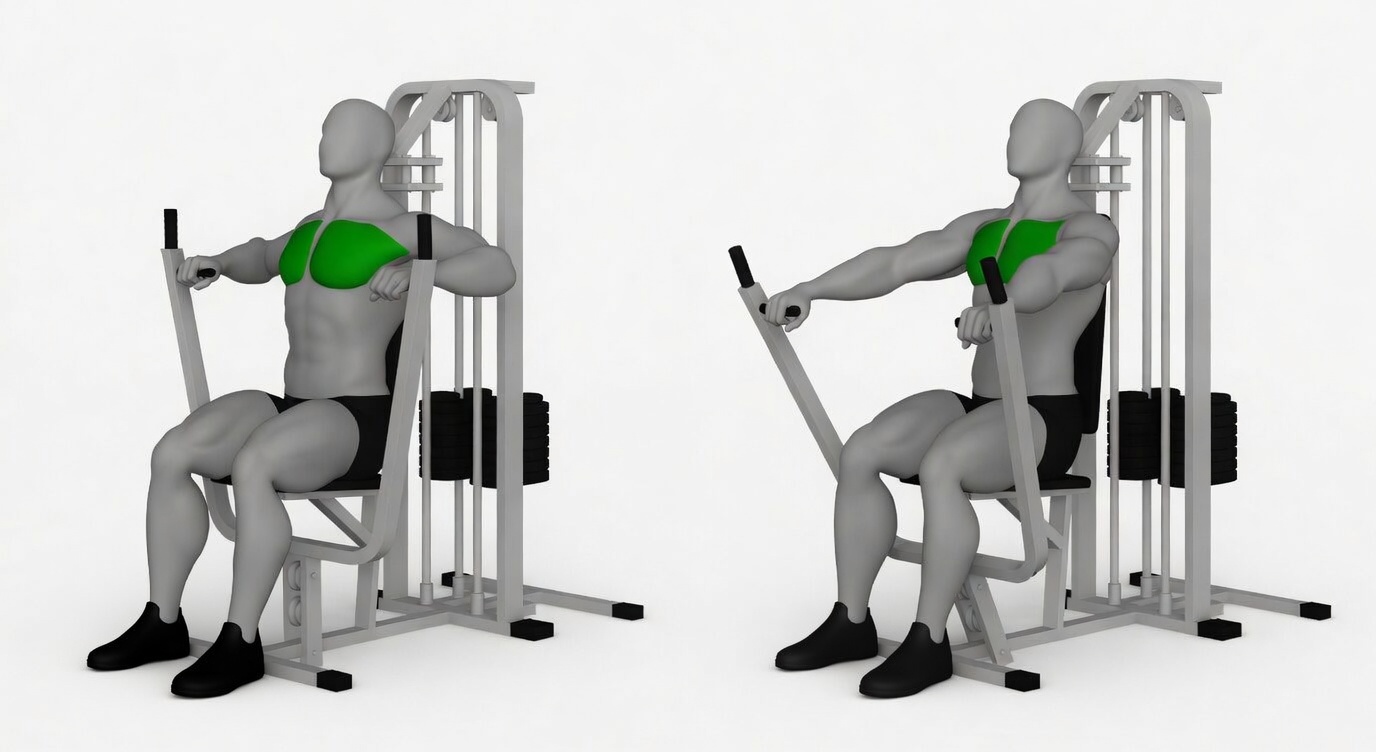
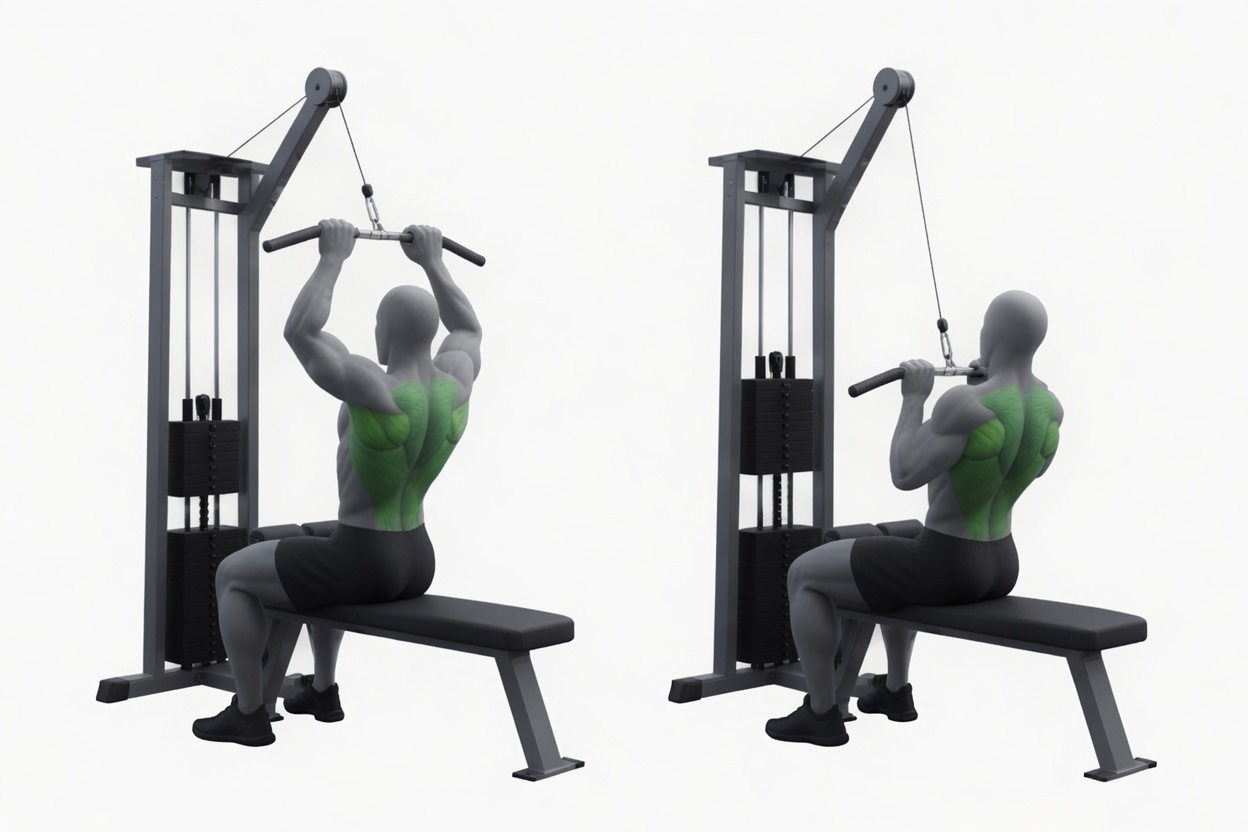
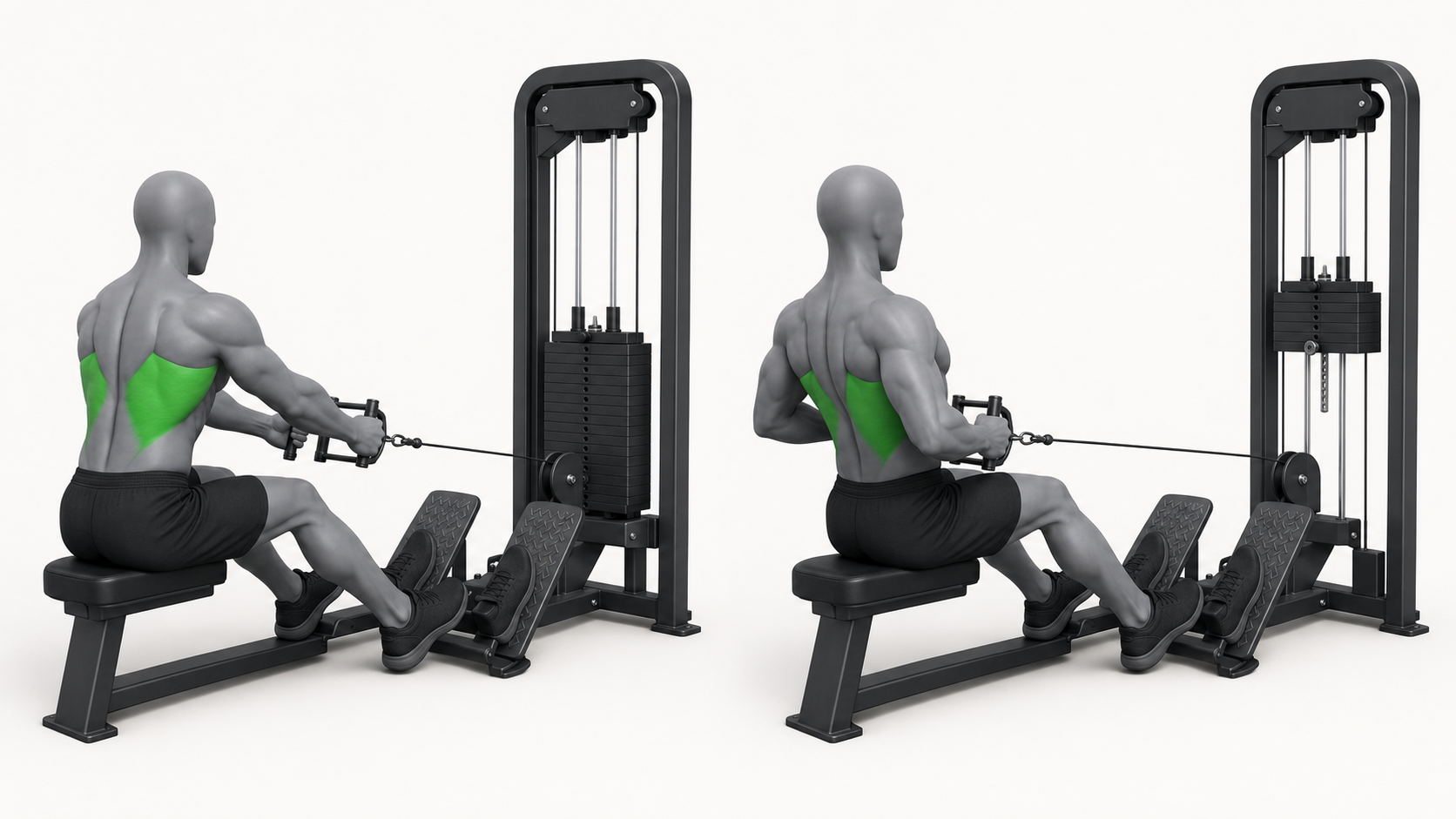
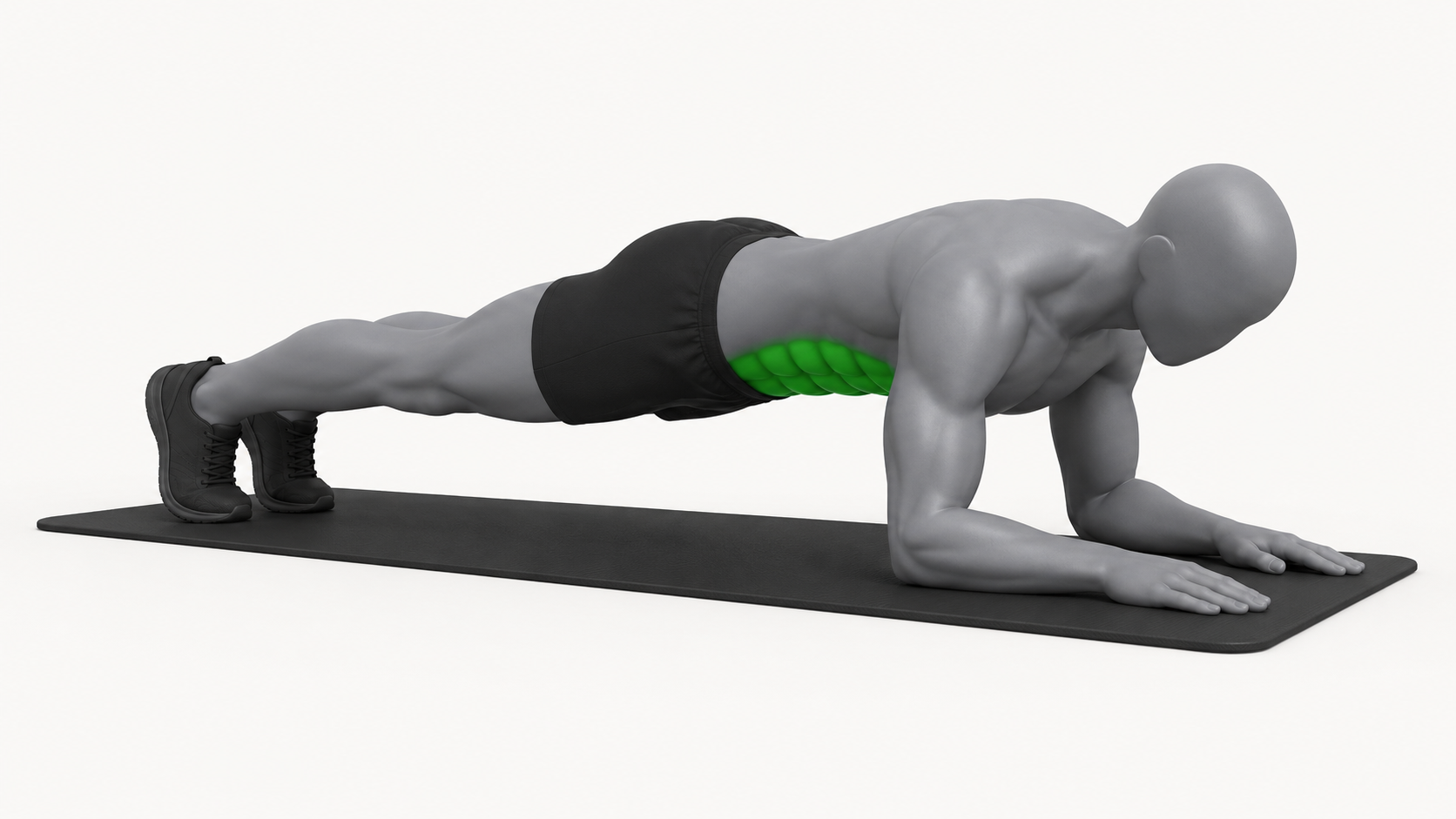
The goblet squat teaches you to brace while keeping the load close to your body. Move with control and stop the set if your depth or balance changes. The four machine, cable, and dumbbell exercises cover the major upper-body patterns before the plank finishes the session.
| Exercise | Sets | Reps | Rest |
|---|---|---|---|
| Romanian Deadlift (Dumbbell) | 2 | 8–12 | 60–120 sec |
| Squat (Smith Machine) | 2 | 8–12 | 60–120 sec |
| Floor Press (Dumbbell) | 2 | 8–12 | 60–90 sec |
| Chest-Supported Row (Dumbbell) | 2 | 8–12 | 60–90 sec |
| Shoulder Press (Machine) | 2 | 8–12 | 60–90 sec |
| Pallof Press (Cable) | 2 | 8–20 per side | 45–60 sec |
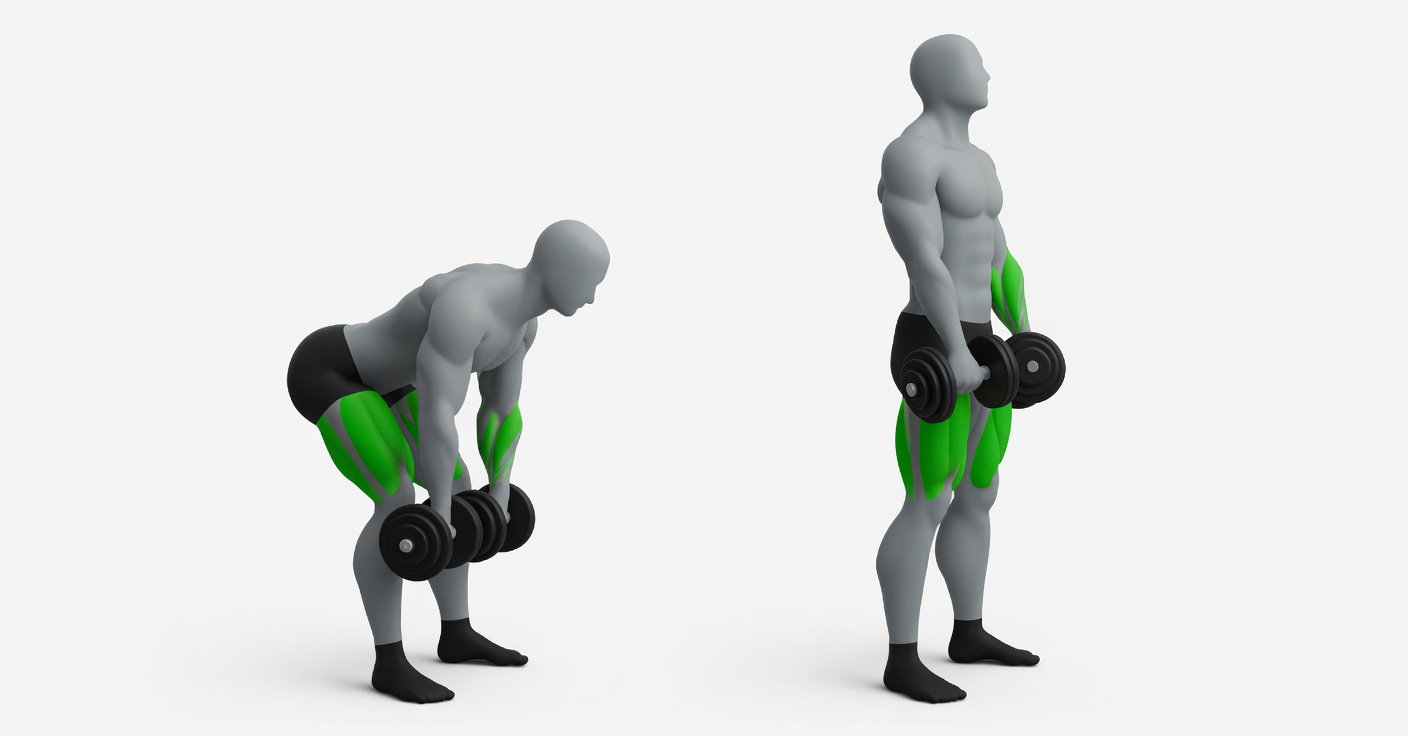
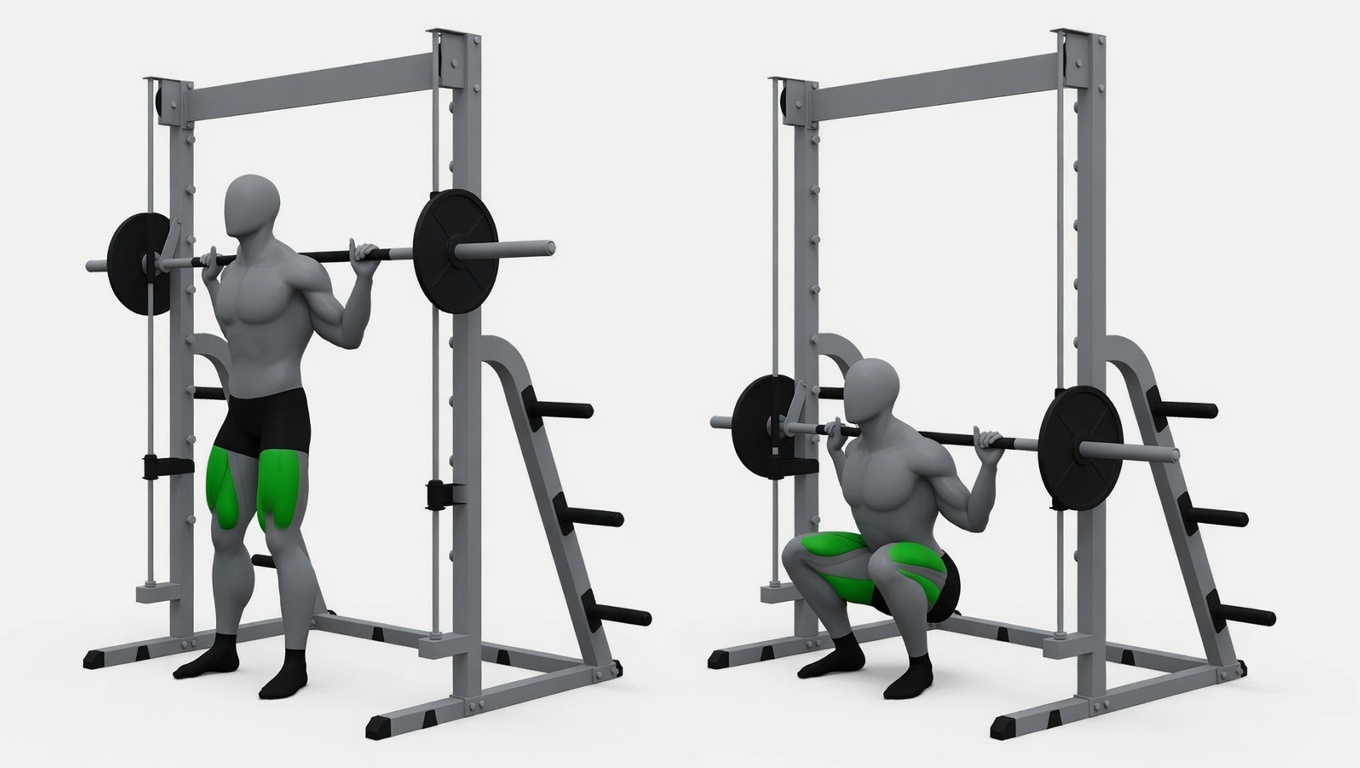
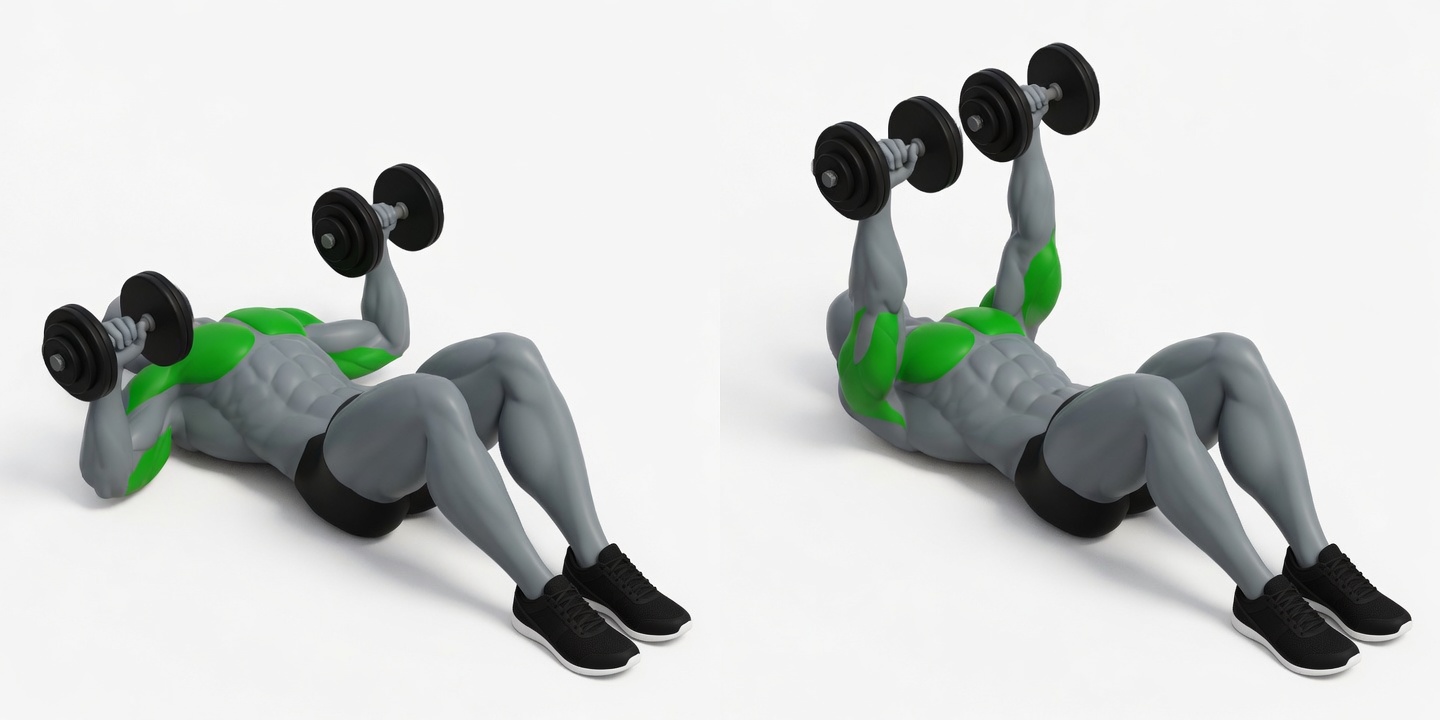
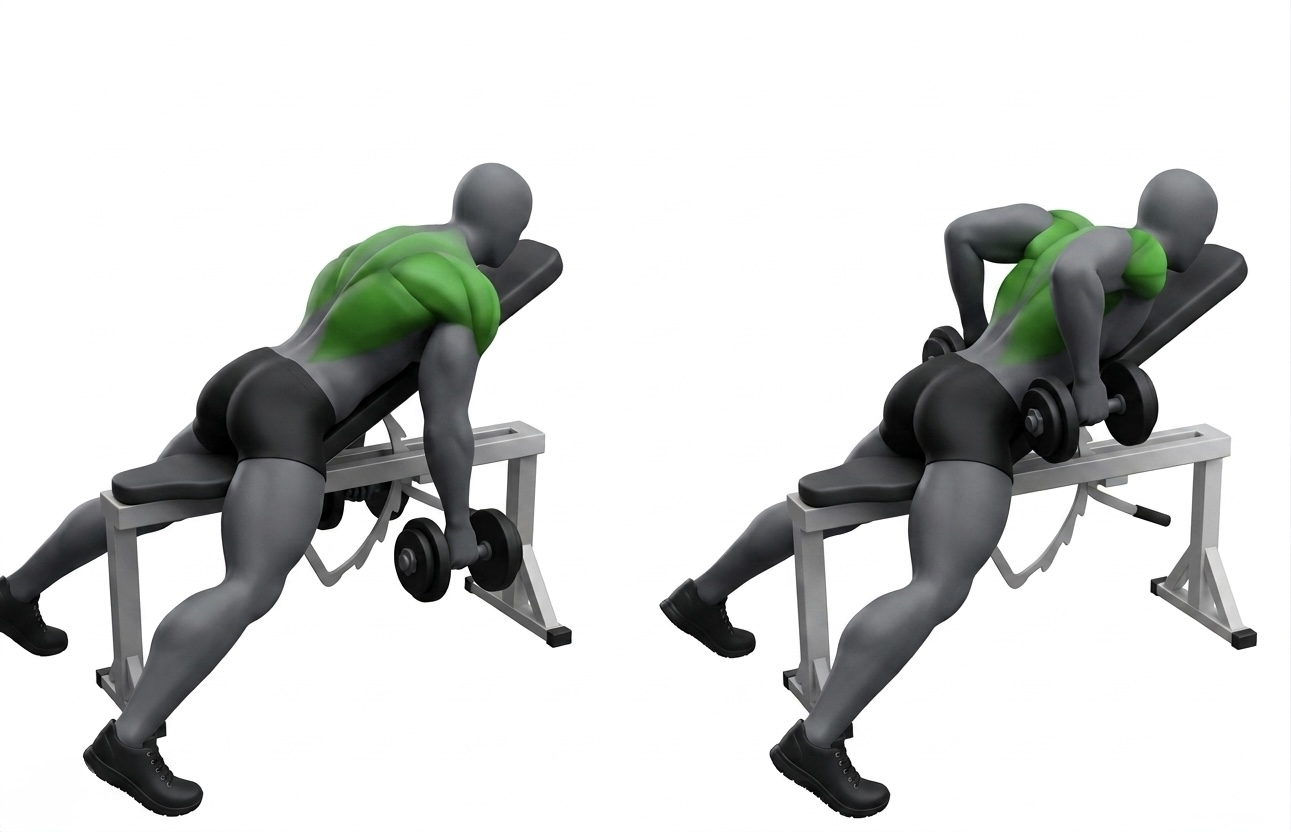
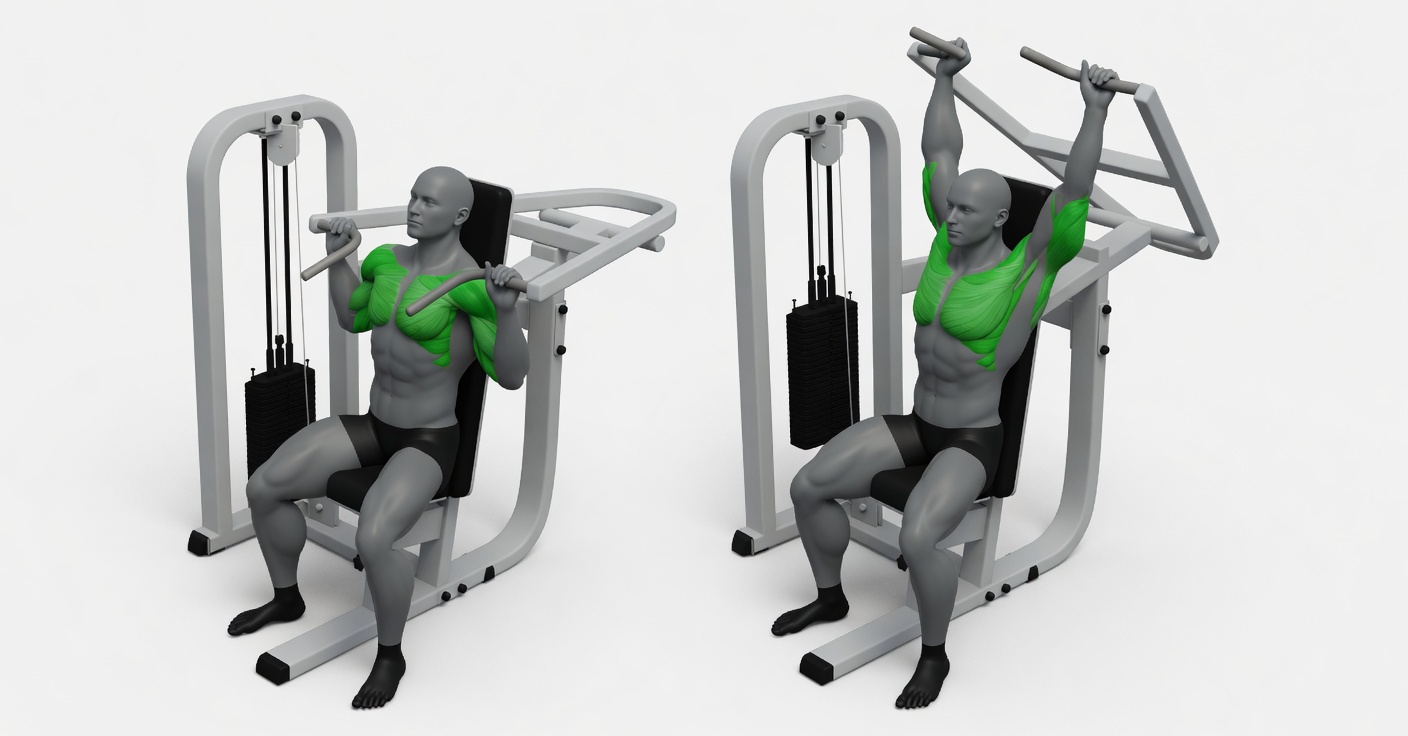
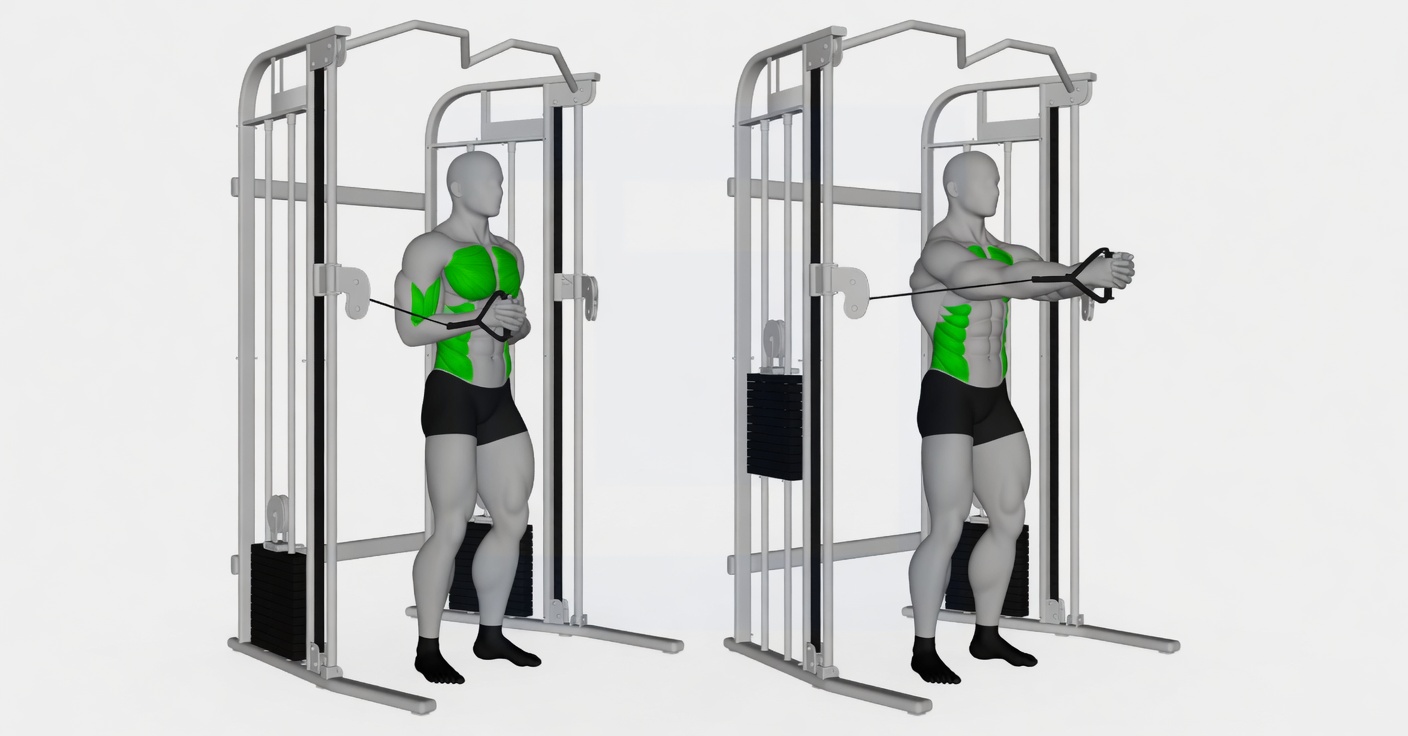
The Romanian deadlift is a hip hinge, not a squat. Push your hips back, keep the dumbbells close, and use only the range you can control. On the Pallof press, resist rotation rather than trying to move a heavy stack.
| Exercise | Sets | Reps | Rest |
|---|---|---|---|
| Goblet Squat (Dumbbell) | 2 | 8–12 | 60–120 sec |
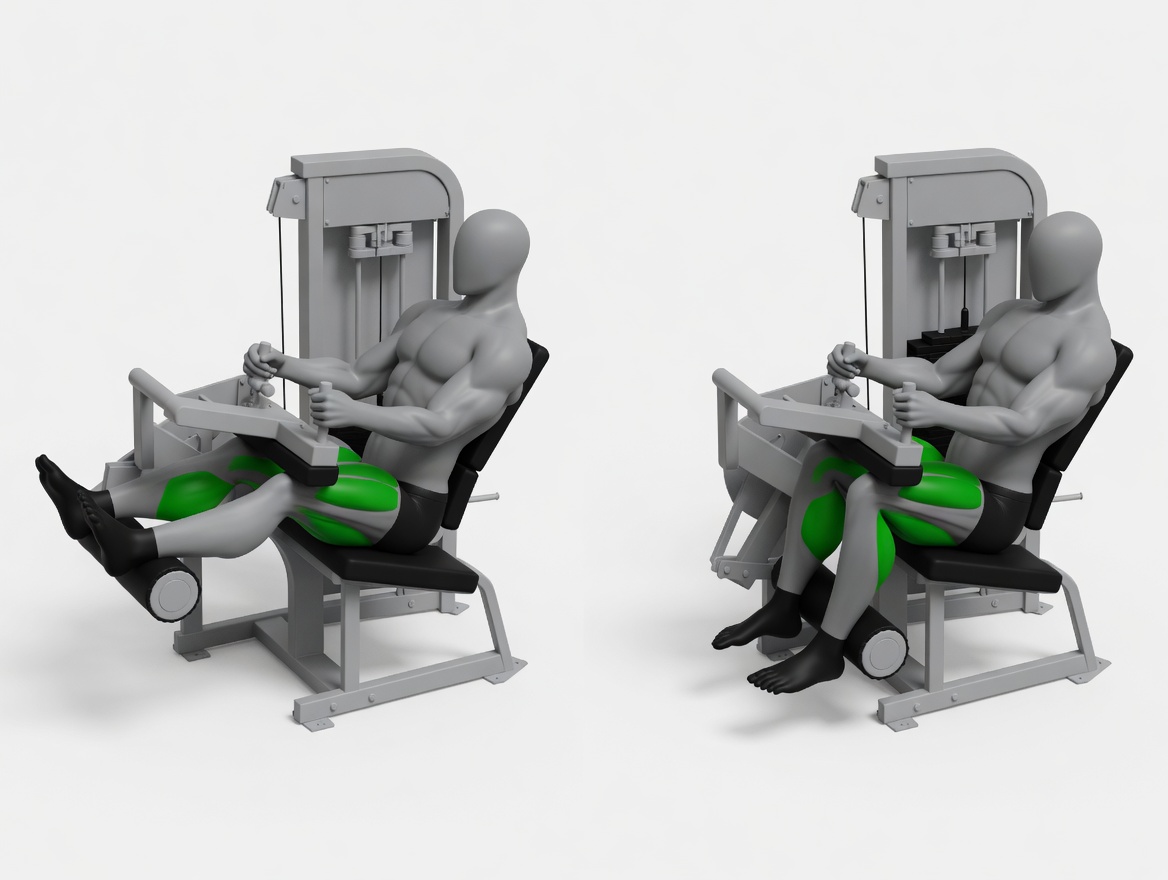
| Seated Leg Curl | 2 | 10–15 | 45–90 sec |
| Push-Ups | 2 | 8–12 | 60–90 sec |
| Close-Grip Lat Pulldown (Cable) | 2 | 8–12 | 60–90 sec |
| Face Pull (Cable) | 2 | 10–15 | 45–90 sec |
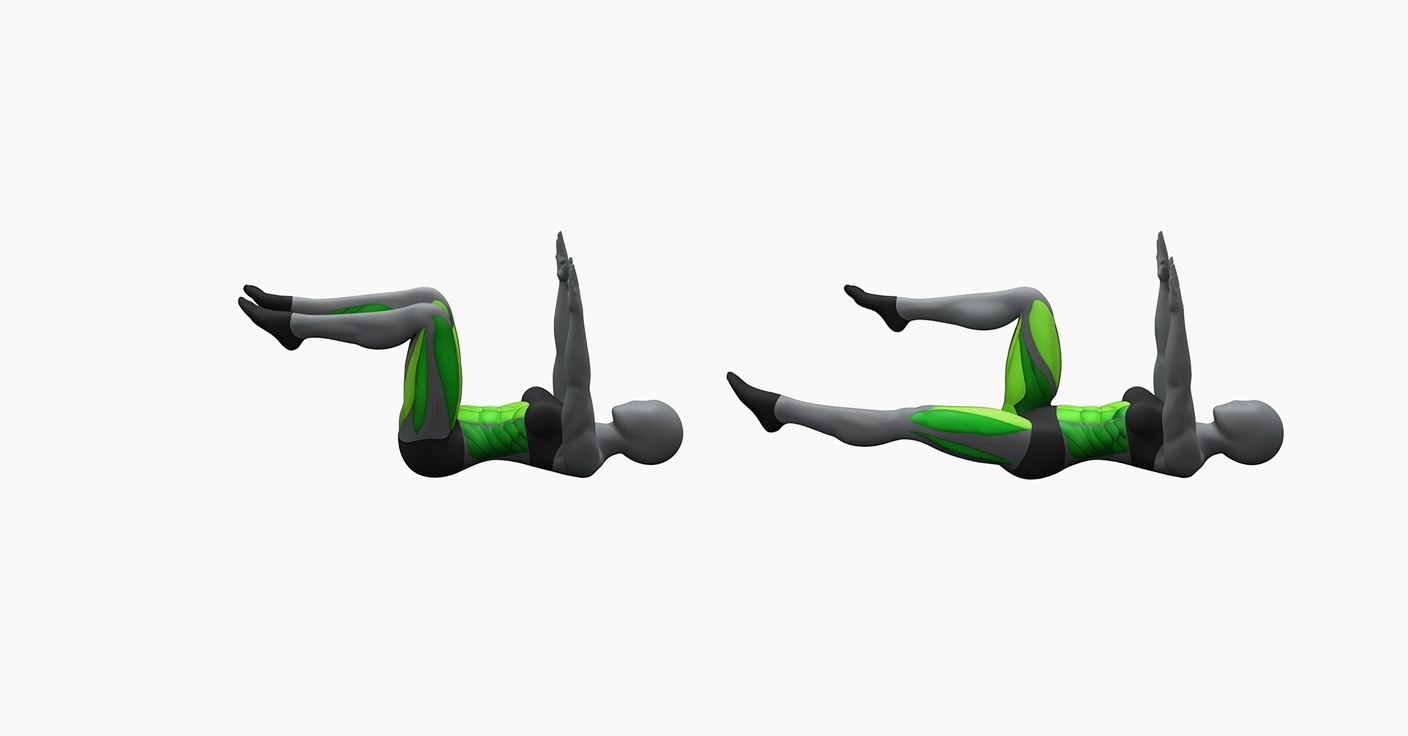
| Dead Bug | 2 | 8–15 per side | 45–90 sec |
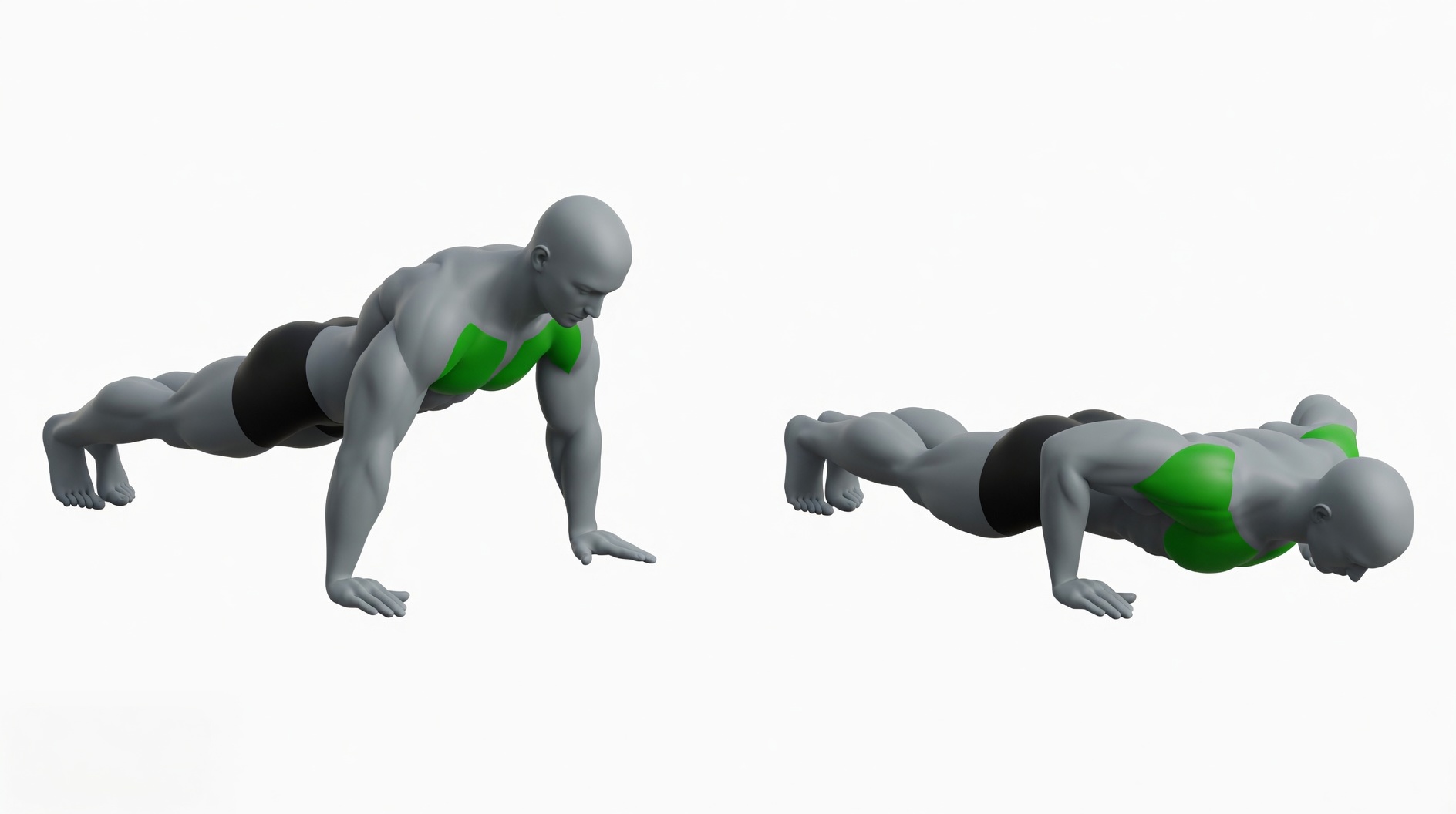
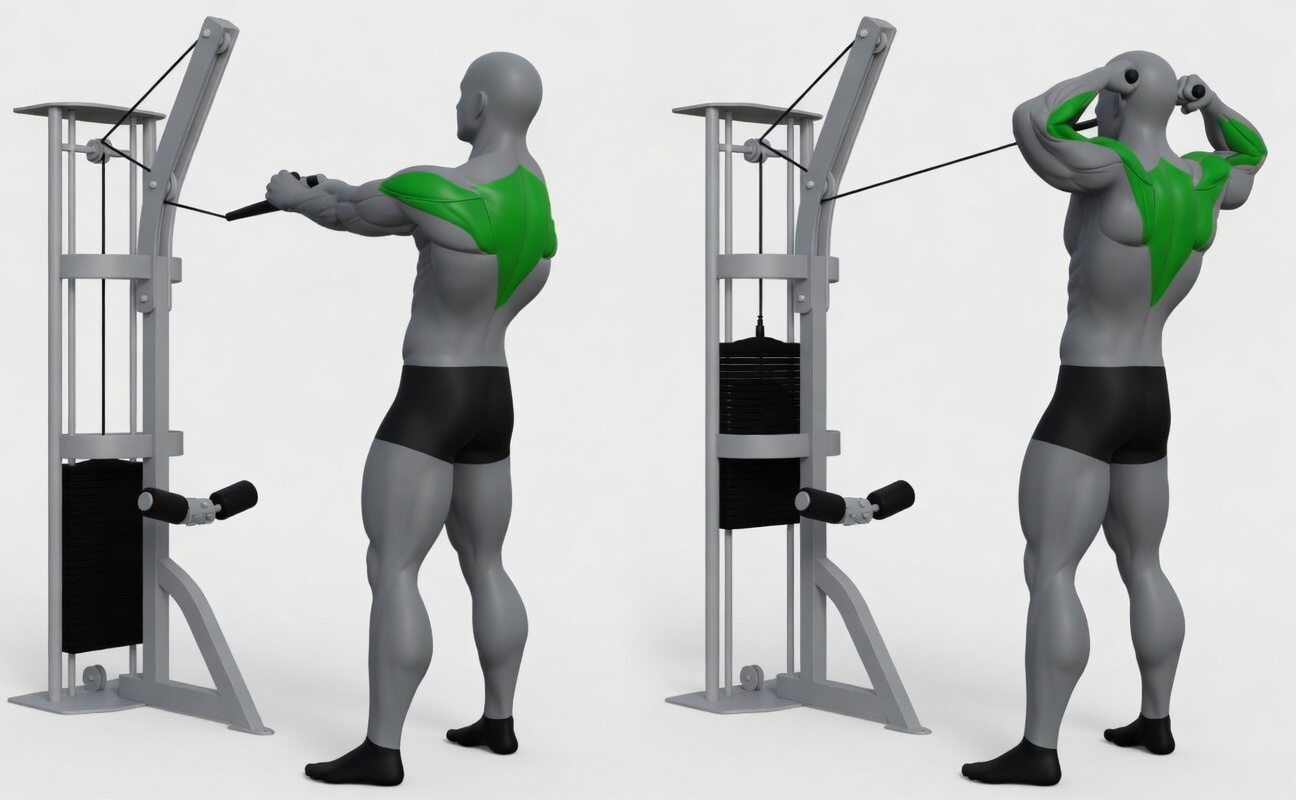
Use an elevated surface for push-ups if you cannot yet complete eight controlled floor reps. Lower the surface over time. Keep face pulls light enough that your shoulders, not your lower back, create the movement.
You do not need a separate 20-minute circuit. Use this sequence:
Warm-up sets prepare you; they are not extra working sets to failure.
Choose a load that lets you reach the bottom of the target range with consistent technique and about 2–3 RIR.
For an 8–12 rep exercise, your first weight is appropriate if you can do at least eight clean reps and could probably do two or three more. It is too heavy if you cannot reach eight, shorten the range, hold your breath unpredictably, or rely on momentum. It is too light if 12 reps feel effortless.
The number on the dumbbell or machine does not need to match anyone else’s. Different machines use different leverages and stacks. Record what you used so your next session is based on your own history. Our guide to logging workout weights and reps explains how to record dumbbells, machines, cables, and bodyweight consistently.
| Weeks | Goal | What to change |
|---|---|---|
| 1–2 | Learn the movements | Use conservative loads and finish with 2–3 RIR. Repeat a weight if needed. |
| 3–4 | Add clean reps | Keep the load and work toward the top of each rep range. |
| 5–6 | Add small amounts of weight | Increase only after both sets reach the top of the range. |
| 7–8 | Continue or take a lighter week | Keep progressing if recovery is good. Reduce load or reps if performance has clearly declined. |
Double progression means increasing reps first, then weight.
Suppose you goblet squat 25 pounds for 10 reps and 9 reps. Keep 25 pounds next time and try to improve one or both sets. Once you complete 12 and 12 with steady technique, move to the next practical weight and return to about 8–10 reps.
The older ACSM progression model suggests increasing resistance after you can exceed the target workload. In practice, small jumps are enough; the available dumbbell or machine increment determines the exact change. Read the full beginner progressive overload guide for more examples.
The table gives a useful starting range. If your breathing is calm but your muscles still cannot repeat the target with good technique, take the longer end. If you feel ready early on a light core exercise, use the shorter end. The rest-between-sets guide explains how exercise type and effort affect recovery.
Use a substitution when equipment is occupied, unavailable, or uncomfortable. Keep the movement purpose similar instead of changing exercises randomly every week.
| Planned exercise | Approved substitutions |
|---|---|
| Goblet Squat (Dumbbell) | Dumbbell Squat; Dumbbell Front Squat |
| Glute Bridge (Dumbbell) | Dumbbell Hip Thrust |
| Chest Press (Machine) | Lying Machine Chest Press; Incline Machine Chest Press |
| Close-Grip Lat Pulldown (Cable) | Lat Pulldown; Close-Grip V-Bar Pulldown |
| Seated Row (Cable) | Cable Chest-Supported Row; Wide-Grip Seated Row |
| Plank | Inchworm; Side Plank |
| Romanian Deadlift (Dumbbell) | Dumbbell Deadlift |
| Squat (Smith Machine) | Smith Machine Front Squat |
| Floor Press (Dumbbell) | Dumbbell Bench Press; Dumbbell Close-Grip Press |
| Chest-Supported Row (Dumbbell) | Incline Dumbbell Row; Dumbbell Seal Row |
| Shoulder Press (Machine) | Smith Machine Shoulder Press |
| Seated Leg Curl | Leg Curl; Standing Leg Curl |
| Push-Ups | Wide Push-Up; Close-Grip Push-Ups |
| Face Pull (Cable) | Cable Rear-Delt Fly; Cable Chest-Supported Row |
| Dead Bug | Bird Dog; Plank Shoulder Tap |
For the Pallof press, first lower the cable resistance and shorten the distance from the machine. If the movement still does not feel right, ask a qualified coach for an appropriate anti-rotation alternative.
Download the complete three-day plan and an editable spreadsheet for recording weights, reps, hold times, and notes across eight weeks.
By submitting, you’ll receive the workout tracker and occasional Bazu emails. Unsubscribe anytime.
This site is protected by reCAPTCHA and the Google Privacy Policy and Terms of Service apply. See our Privacy Policy for details on how Bazu handles submissions.
Do the missed workout on your next available training day, then continue in order. For example, if you miss Wednesday, do Beginner Hinge on Friday and Goblet Squat & Pull at your next session.
Do not combine two workouts to “catch up.” One missed date does not ruin the program; turning it into an exhausting double session can make the next week harder.
Some soreness is common when an exercise is new, but soreness is not the goal. You should be able to repeat the next workout with controlled technique. If soreness, joint discomfort, sleep disruption, or declining performance keeps accumulating:
Stop an exercise that causes sharp or unusual pain and seek qualified help when needed.
Eight weeks is a minimum learning cycle, not an expiration date. Keep the routine while your reps, loads, control, or confidence are improving.
Change it when your schedule or equipment changes, you need a clinician-directed modification, or progress has stalled despite consistent training, sleep, nutrition, and sensible effort. Do not replace the plan just because another routine looks more advanced.
The Beginner Full Body program is ready in Bazu Free. You can review all three workouts, add the program to My Routines, and log your first session without rebuilding the plan exercise by exercise.
Use the spreadsheet above if you prefer Excel. Use Bazu when you want the routine, exercise guides, workout history, rest timing, and progress tracking together while you train.
Yes. Three nonconsecutive full-body sessions give beginners frequent practice without requiring daily gym visits. The plan still needs manageable volume, sound technique, and gradual progression.
Yes. Train on nonconsecutive days such as Monday, Wednesday, and Friday. Start with the two working sets shown here and reduce the load if soreness or fatigue prevents you from performing the next session well.
Choose a load you can control for the bottom of the target range while leaving about two or three good reps in reserve. If technique changes or you cannot reach the minimum reps, use less weight.
Do the missed workout on your next available training day, then continue the plan in order. Do not combine two full workouts or skip ahead to match the calendar.
Use it for at least eight weeks. Keep it longer while your technique, repetitions, or loads are improving and you are recovering between sessions.
Open the Beginner Full Body program in Bazu Free, add it to My Routines, and start Day 1. Bazu keeps the exercises, sets, reps, rest timing, and workout history together so you can see what to repeat or progress next time.
Yes. The exact Beginner Full Body program in this guide is available in Bazu Free. You can review it, add it to My Routines, and log your workouts.
Your first eight weeks do not need advanced methods. Show up three times, practice the same useful movements, record the work, and make small improvements when your technique supports them.
Start light on Monday. Your log will tell you what to do next.

Founder of Bazu · 10+ years strength training
I'm the builder and user of Bazu. I've been lifting for over 10 years across strength and hypertrophy work, and I built Bazu to make progress simpler for serious lifters — every feature is designed around how real training actually works.
Continue with a relevant calculator, exercise guide, or Bazu feature.
Turn your best recent set into a practical next-session target.
ExploreExerciseBrowse proper form, muscles worked, mistakes, and progression advice.
ExploreProduct updateSee how Bazu keeps every personal record tied to your training history.
ExploreProductSee how logging, permanent PRs, charts, and workout history fit together.
ExploreThis exact three-day program is ready in Bazu Free. Review each workout, add it to My Routines, and start logging your first session.
Open this free program

Join for practical strength tips, cleaner logging workflows, and Bazu updates that help you know what to do next workout.
This site is protected by reCAPTCHA and the Google Privacy Policy and Terms of Service apply. See our Privacy Policy for details on how Bazu handles submissions.
Use this balanced 4-day upper/lower split to train each major muscle group twice per week, with exercises, sets, reps, rest times, and progression rules.
Follow a complete three-day push pull legs routine with exercises, sets, reps, rest times, substitutions, and a simple progression plan for muscle growth.

Build muscle at home with a complete dumbbell-only workout plan, including three weekly sessions, sets, reps, substitutions, and a simple progression system.
Find the best bench press alternatives for chest growth and strength. Compare dumbbells, push-ups, machines, floor presses, cables, and more.
Compare full-body and split workouts by muscle growth, strength, schedule, recovery, and missed sessions—then choose the routine you can progress.

Learn 11 bodyweight exercises with no equipment, beginner modifications, a balanced full-body workout, and a simple 4-week progression plan.