Training
Strength Training After 40: Build Muscle for the Long Term
Waleed S.Nov 16, 20267 min read
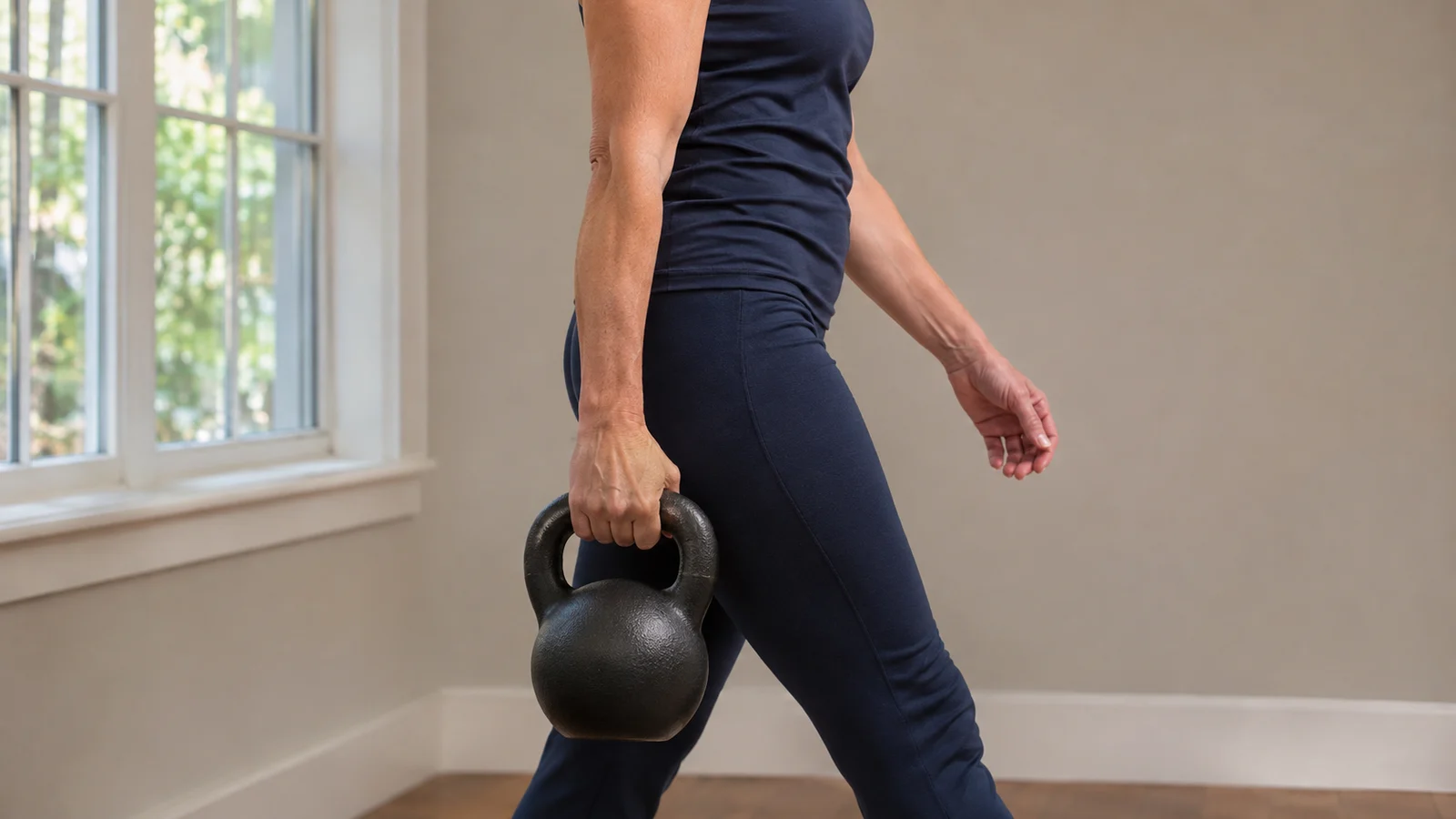
Strength training after 40 works best as two full-body sessions a week with a day off between them. Choose weights you can move with control, finish most sets with two or three good reps left, and add reps before weight. If you are coming back after a long break, one work set per exercise is enough at first.
Strength training after 40 doesn’t need a special set of exercises. If you’re new to lifting or returning after a long break, you’ll get more use out of two sessions you can keep doing than a demanding schedule you can’t repeat.
Affiliate disclosure: As an Amazon Associate I earn from qualifying purchases.
In Outlive by Peter Attia with Bill Gifford, Attia encourages readers to think about what they want to stay capable of doing. Start with one real task: carrying groceries, getting up from a low seat, or lifting a suitcase. The exercises and progression below are an editorial example, not the book’s training protocol.
Disclaimer: This guide is general exercise education, not medical advice. If symptoms, a health condition, or a recent injury or surgery affects your ability to exercise, ask a qualified clinician what is appropriate before increasing effort.
Your starting point matters more than the birthday. If you already train consistently and recover well, there’s no reason to replace your routine just because you turn 40. If you’re returning after years away, choose weights based on how you move today, not what you used to lift.
The 2026 ACSM position stand found that resistance training improves strength and supports hypertrophy (muscle growth) in healthy adults. In one one-year randomized trial, postmenopausal women aged 40–66 in a supervised lifting program gained strength and lean tissue. That trial used three supervised sessions a week; it doesn’t predict how much muscle a particular person will gain in eight weeks.
Try Monday and Thursday, or any two days with at least one day between them. Repeat the same movements at first so you can tell whether they’re getting easier. The CDC’s adult guidelines recommend strengthening the major muscle groups at least twice a week. The table is a starter example, not an age-specific prescription.
| Movement | Gym option | Home option |
|---|---|---|
| Squat | Leg press | Sit-to-stand from a sturdy chair |
| Bend at the hips | Dumbbell Romanian deadlift | Unloaded hip hinge, then light dumbbells when ready |
| Push | Machine chest press | Wall push-up |
| Pull | Seated cable row | Supported one-arm dumbbell row |
| Carry | One-sided kettlebell carry | One-sided carry with a securely loaded bag |
Start each visit with a few minutes of easy movement and a light practice set before each unfamiliar lift. For the first four movements, try one set of 8–12 reps and rest about 90–120 seconds before repeating a set. Add a second set once you can recover comfortably between sessions. For a one-arm row, do the same number of reps on both sides. For the carry, try 15–30 seconds per side with a load that lets you walk naturally without leaning. If your grip, balance, or walking space makes a carry a poor fit, leave it out.
Start lighter than you think you need. At rep eight, ask: Could I do two or three more with this same range of motion and control? Those are your reps in reserve, or RIR. If you’re already grinding at eight, go lighter. If 12 is clearly easy, try the smallest available increase next time. It’s fine if your estimate is rough at first; you don’t need to test it by taking a set to failure.
| Weeks | What to focus on |
|---|---|
| 1–2 | Learn the exercises and write down the load and reps. Start with one work set and use a light practice set to settle on a starting weight. |
| 3–4 | Keep your two training days. If you’re recovering well, add a second set to the movements you can repeat with control. |
| 5–8 | Work toward the top of the rep range. When both sets reach 12 with about two good reps left, try the smallest load increase next time. |
For example, if you row 15 lb for 10 and 9 reps, keep 15 lb next time and aim for one more good rep. When you reach 12 and 12 with about two reps left in each set, try a slightly heavier dumbbell. If the jump takes you below eight controlled reps, return to the old load. For carries, build from 15 toward 30 seconds before adding load. This is double progression: reps or time first, then weight.
At the end of eight weeks, compare the same exercise and setup. More reps at the same load, more load for the same reps, or better control at the same effort are all useful signals. If your schedule and recovery are both good, keep the two days going before changing anything. Use the broader longevity exercise guide when you’re ready to fit in walking and balance work.
Plan two strength days per week. Record each lift, load, reps or hold time, and effort so you know what to try next.
By submitting, you’ll receive the eight-week strength log spreadsheet and occasional Bazu emails. Unsubscribe anytime.
This site is protected by reCAPTCHA and the Google Privacy Policy and Terms of Service apply. See our Privacy Policy for details on how Bazu handles submissions.
Bazu is a workout tracker for iPhone and Android. Use Bazu Free to record your sets and compare the next workout with your last one. If you train at a gym and want the exercises already set up, open Full Body (2-Day) in Bazu Free. It’s a separate, ready-to-start program; the starter table above is not an in-app routine. See the full two-day gym workout before you start.
Yes. Progressive resistance training can improve strength and build muscle in midlife. How quickly you progress depends on your starting point, training, and recovery.
Start with two full-body strength sessions on nonconsecutive days, such as Monday and Thursday. If two days feel hard to fit in, start with one and add the second when you can repeat it.
You do not need to test a maximum or lift heavy to start. Pick a weight you can control for your target reps while leaving a few good reps in reserve.
Record the exercise, weight, reps in each set, and how many good reps you had left. The free eight-week spreadsheet works with your own exercises, or you can log sets in Bazu Free.

Founder of Bazu · 10+ years strength training
I'm the builder and user of Bazu. I've been lifting for over 10 years across strength and hypertrophy work, and I built Bazu to make progress simpler for serious lifters — every feature is designed around how real training actually works.
Continue with a relevant calculator, exercise guide, or Bazu feature.
Turn your best recent set into a practical next-session target.
ExploreExerciseBrowse proper form, muscles worked, mistakes, and progression advice.
ExploreProduct updateSee how Bazu keeps every personal record tied to your training history.
ExploreProductSee how logging, permanent PRs, charts, and workout history fit together.
ExploreRecord your sets, then use your last workout to pick a starting weight. Want a ready-to-start gym plan? Try Full Body (2-Day).
Open the free two-day gym program

Join for practical strength tips, cleaner logging workflows, and Bazu updates that help you know what to do next workout.
This site is protected by reCAPTCHA and the Google Privacy Policy and Terms of Service apply. See our Privacy Policy for details on how Bazu handles submissions.
Learn how long to rest between sets for strength, muscle growth, endurance, and specific exercises like squats, bench press, deadlifts, curls, and planks.
Start Zone 2 cardio with a simple effort check and four-week plan. Learn how long to go, why watch zones differ, and how to fit cardio around strength training.
Build a beginner exercise plan for healthy aging with two strength days, short walks, and supported balance practice. Start small and build at your own pace.
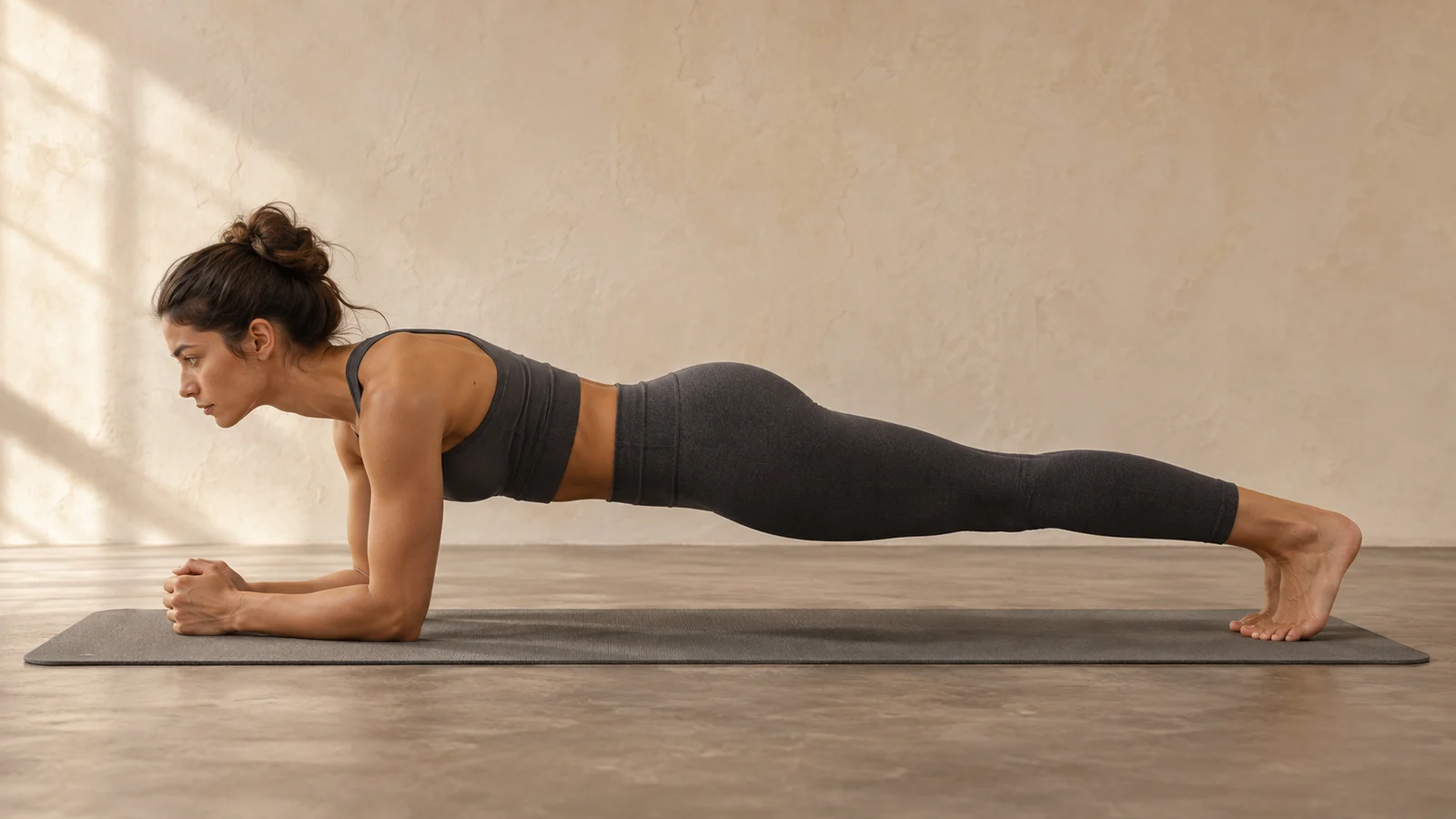
Follow a six-week beginner core workout at home. Get three short sessions, sets and reps, easier options for planks, and a simple way to track progress.

Try a short full-body dumbbell workout with three weekly sessions, clear sets and reps, optional extras, progression rules, and practical bench setup advice.

Build a twice-weekly gym habit with this 2-day full-body workout: exercises, sets, reps, rest, progression, and a free editable 8-week workout tracker.