Training
Zone 2 Cardio for Beginners: How Hard, How Long, How Often?
Waleed S.Nov 21, 20267 min read
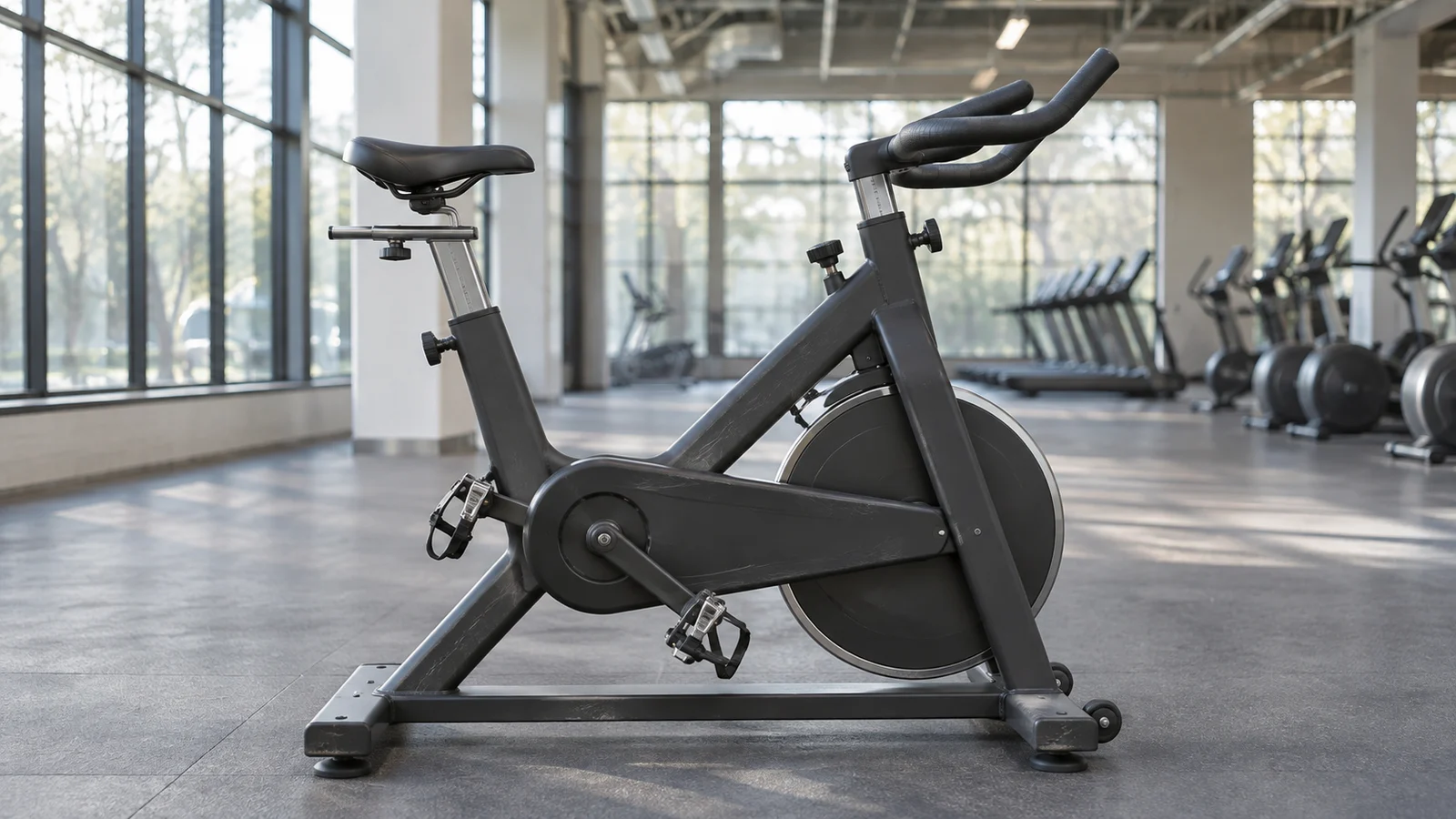
For beginners, start Zone 2-style cardio with two short walks or bike rides at a steady, conversational effort. Pick an activity you can repeat, keep the first sessions manageable, and add minutes before making them harder. You do not need a heart-rate monitor or a lactate test to start moving.
Affiliate disclosure: As an Amazon Associate I earn from qualifying purchases.
If Outlive by Peter Attia with Bill Gifford brought you here, Attia’s public companion discussion includes aerobic training alongside strength and stability. The starter plan below is an original example, not his protocol or an endorsement. For the bigger picture, see the beginner exercise-for-longevity guide.
Disclaimer: This is general exercise education, not medical advice or exercise clearance. If a health condition, symptoms, or medication affects your response to exercise, ask your clinician about appropriate effort. Stop for chest pain, faintness, or unusual severe breathlessness and seek medical help.
Zone 2 is a training label, not a single pace or heart rate. In a 2025 expert-viewpoint paper, experts preferred exercise just below the first lactate or ventilatory threshold: a transition identified using blood-lactate or breathing measurements during exercise testing. This was expert agreement, not a trial proving one intensity is best for every beginner.
The paper also explains that zone systems differ. The second zone in a three-zone model is not the same as the second zone in a five-zone model. A watch may use percentages of an estimated maximum heart rate instead of measured thresholds.
For this guide, Zone 2-style means steady, conversational aerobic practice. It is a useful starting approach, not confirmation of your physiological zone. Avoid treating a particular watch color as a pass/fail result.
After a few easy minutes, check whether you can say a normal sentence without rushing to breathe. You should notice that you’re exercising but still feel in control. If you’re reduced to a few words at a time, lower the pace, incline, or resistance.
The CDC talk test describes moderate effort as being able to talk but not sing. That helps distinguish general exercise intensity; it does not pinpoint your first lactate threshold. Start easier if needed.
| What you notice | What to do |
|---|---|
| Full sentences feel comfortable | Maintain the pace and check again later |
| Speaking becomes broken or strained | Ease off until conversation feels comfortable again |
| The session feels very easy | Finish as planned; consider a small adjustment next time |
| Your watch disagrees with how you feel | Check the zone settings; don’t speed up just to satisfy the display |
You can also record perceived effort on a 0–10 scale, where 0 means resting and 10 means your hardest effort. Use it to compare your own sessions, not as a calculator that proves Zone 2. Note heat, hills, poor sleep, or a different machine when they change how a familiar session feels.
No. You may see targets such as 60–70% of maximum heart rate, but they depend on the chosen zone model and how maximum heart rate was determined. They are not universal boundaries. If you already have individualized guidance from exercise testing or a clinician, use that rather than a generic article formula. The American Heart Association notes that some medications affect heart rate, making personal guidance especially important.
Choose a flat walking route, stationary bike, or another activity you can do comfortably. On a bike, adjust the seat and begin with light resistance. For treadmill walking, start with a manageable speed before adding incline. Running is optional, and it may be too demanding for a conversational starting effort.
This example fits cardio on Tuesday and Saturday, with optional strength on Monday and Thursday. The minutes below are the main conversational portion. Add a few easy minutes before and after to ease into and out of the session.
| Week | Session 1 | Session 2 | Optional change |
|---|---|---|---|
| 1 | 10 minutes | 10 minutes | Use 5 minutes if 10 is too much |
| 2 | 10–15 minutes | 10 minutes | Add time to just one session |
| 3 | 15 minutes | 15 minutes | Repeat week 2 if recovery or time is tight |
| 4 | 15–20 minutes | 15–20 minutes | Keep the effort steady as duration grows |
The schedule is a starting example, not a deadline. If week 1 feels demanding, repeat it. If you already walk or cycle comfortably for longer, you don’t need to cut back to these durations. After four weeks, extend a session or add another short day when it fits; you do not need to increase pace, duration, and frequency together.
The CDC adult guidelines recommend at least 150 minutes of moderate aerobic activity weekly, or 75 vigorous minutes or an equivalent mix, plus strengthening the major muscle groups on at least two days. That is a longer-term benchmark, not a first-week quota or a requirement for 150 minutes in a particular Zone 2 system. Very easy minutes still count as movement, but don’t automatically count them as moderate minutes.
Keep your first cardio sessions small enough that you can still complete your planned strength workouts comfortably. If your legs feel unusually tired before lifting, shorten the next cardio session, choose a gentler activity, or move it to another day. There is no universal schedule that works for everyone.
Keep a simple record: activity, minutes, perceived effort, whether full sentences stayed comfortable, and a note about the next day. Judge progress over several comparable sessions. More time at a similar effort is useful; a lower heart-rate reading on one day isn’t proof of a fitness change.
Missed a session? Return to the next planned one rather than doubling its duration. If you regularly skip it because it feels too long, make it shorter. For practical starting-load and recovery advice on the strength side, see strength training after 40.
Plan short sessions, record minutes and effort, and compare four weeks of walks or rides. Edit the targets to fit your starting point.
By submitting, you’ll receive the four-week cardio log spreadsheet and occasional Bazu emails. Unsubscribe anytime.
This site is protected by reCAPTCHA and the Google Privacy Policy and Terms of Service apply. See our Privacy Policy for details on how Bazu handles submissions.
Bazu is a workout tracker for iPhone and Android. Open Full Body (2-Day) in Bazu Free to add a ready-to-start gym strength program to My Routines and log your sets. Review the complete two-day gym guide first.
Use the downloadable cardio log for your walks or rides. This article’s combined weekly schedule is an editorial example, not an in-app Zone 2 program. Bazu is the strength companion here; this guide does not claim it measures lactate thresholds or prescribes heart-rate zones.
Start with 10–15 manageable minutes twice a week, or less if needed. Add time gradually when the sessions feel repeatable. You do not need a 45-minute session to begin.
There is no universal number. Zone definitions, maximum-heart-rate estimates, and individual thresholds differ. A watch’s Zone 2 label is not proof that you are below your first lactate or ventilatory threshold.
Walking can be useful aerobic exercise. The effort depends on your fitness, pace, and terrain. A comfortable conversation helps you gauge effort, but it does not confirm a laboratory-defined zone.
Use the free cardio spreadsheet to record minutes, effort, and how speaking felt. Log your complementary strength sessions in Bazu Free. The combined schedule in this guide is an editorial example, not an in-app Zone 2 program.

Founder of Bazu · 10+ years strength training
I'm the builder and user of Bazu. I've been lifting for over 10 years across strength and hypertrophy work, and I built Bazu to make progress simpler for serious lifters — every feature is designed around how real training actually works.
Continue with a relevant calculator, exercise guide, or Bazu feature.
Turn your best recent set into a practical next-session target.
ExploreExerciseBrowse proper form, muscles worked, mistakes, and progression advice.
ExploreProduct updateSee how Bazu keeps every personal record tied to your training history.
ExploreProductSee how logging, permanent PRs, charts, and workout history fit together.
ExploreComplement your cardio with Full Body (2-Day), a ready-to-start gym strength program. Add it to My Routines and log your first session.
Open the free strength program

Join for practical strength tips, cleaner logging workflows, and Bazu updates that help you know what to do next workout.
This site is protected by reCAPTCHA and the Google Privacy Policy and Terms of Service apply. See our Privacy Policy for details on how Bazu handles submissions.
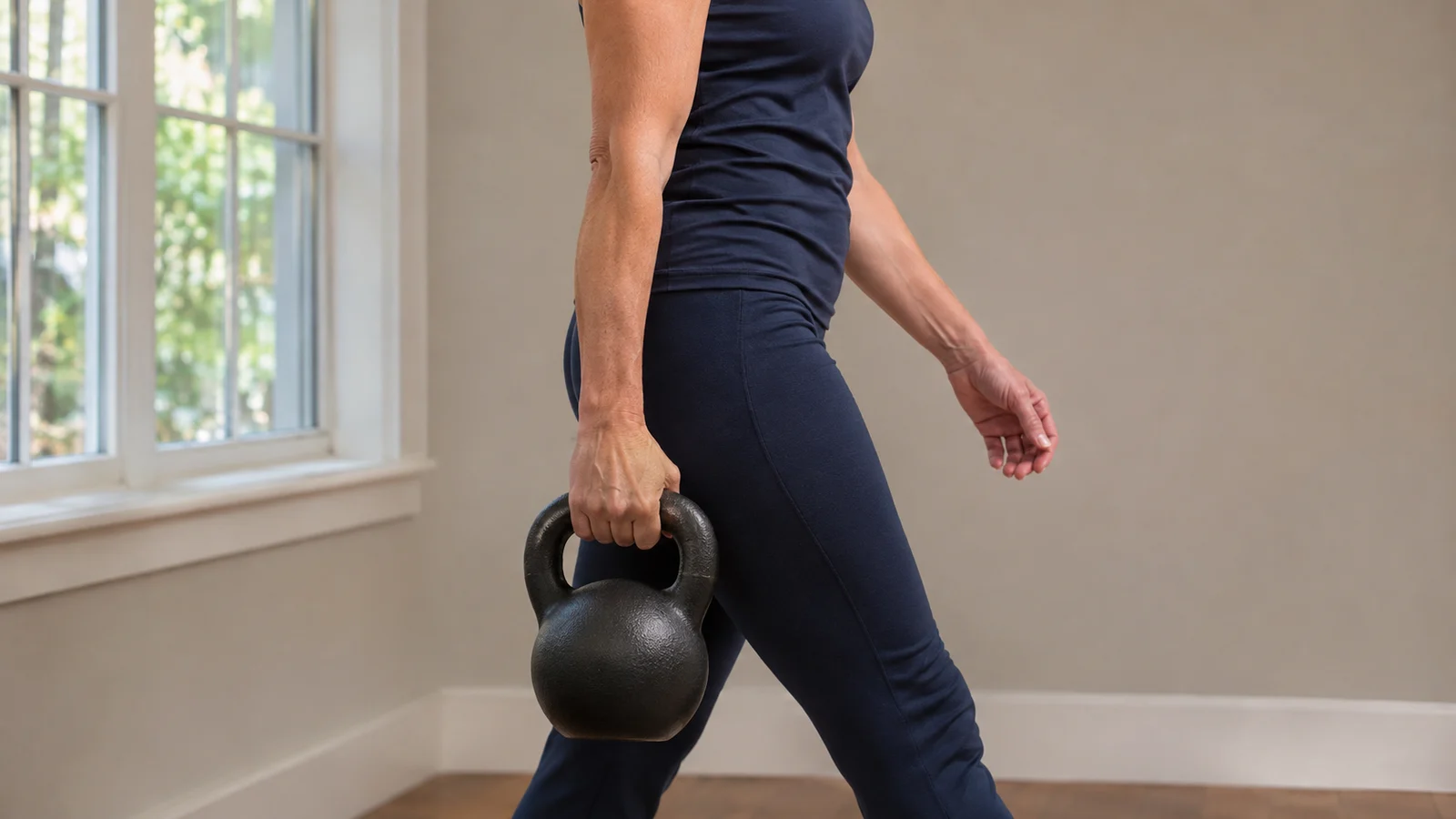
Start strength training after 40 with two sessions a week. Learn how to choose starting weights, adjust for recovery, and build on your first eight weeks.
Build a beginner exercise plan for healthy aging with two strength days, short walks, and supported balance practice. Start small and build at your own pace.

Follow a six-week beginner core workout at home. Get three short sessions, sets and reps, easier options for planks, and a simple way to track progress.

Try a short full-body dumbbell workout with three weekly sessions, clear sets and reps, optional extras, progression rules, and practical bench setup advice.

Build a twice-weekly gym habit with this 2-day full-body workout: exercises, sets, reps, rest, progression, and a free editable 8-week workout tracker.

Follow a 3-day resistance band workout plan with full-body workouts, sets, reps, safe anchor setups, progression rules, and a free editable 8-week tracker.