Training
30-Minute Gym Workout Plan for Busy Professionals (4-Day Split)
Follow a four-day, 30-minute gym workout for busy professionals, with exact exercises, supersets, rest times, substitutions, and progression.
Waleed S.Oct 16, 202616 min read

Follow a four-day, 30-minute gym workout for busy professionals, with exact exercises, supersets, rest times, substitutions, and progression.
A useful 30-minute workout for busy professionals needs more than a list of fast exercises. It needs a weekly structure, realistic rest periods, and a progression rule that still works when meetings, travel, and crowded gyms compete for time.
This four-day plan uses short upper/lower sessions. The upper days pair exercises that can share a cable station or adjustable bench. The lower days stay sequential so you do not rush a squat, hinge, or machine setup. Each workout contains four to six exercises and is designed to take about 25–35 minutes once you know the movements.
Disclaimer: This guide is for general education, not medical advice. If you have an injury, health condition, or exercise restriction, ask a qualified clinician or coach how to adapt the plan.
| Day | Workout | Main setup | Estimated time |
|---|---|---|---|
| Monday | Upper A | Cable station | 25–35 min |
| Tuesday | Lower A | Leg machines and cable | 25–35 min |
| Thursday | Upper B | Adjustable bench and cable station | 25–35 min |
| Saturday | Lower B | Smith machine, dumbbells, and cable | 25–35 min |
Wednesday, Friday, and Sunday are recovery days in this example. The weekdays are flexible. Preserve the workout order and avoid placing both lower sessions on consecutive days when possible.
The plan is built for an intermediate lifter with full-gym access. It is intentionally low in weekly volume and recovery demand, but four weekly visits still require a predictable schedule. If you can reliably train only two or three days, use a full-body routine instead of compressing four sessions into fewer days.
The 2026 American College of Sports Medicine position stand emphasizes that consistency and training the major muscle groups regularly matter more than making a program unnecessarily complex. A four-day upper/lower split gives the upper and lower body two weekly training opportunities without demanding long sessions.
The upper workouts use antagonist supersets: a pressing movement is paired with a pulling movement, or a curl is paired with a triceps exercise. You complete one exercise, transition to its partner, and then rest before repeating the pair. The exercises do not literally cancel each other out, but the arrangement lets one movement pattern recover while you train another.
A review of time-efficient resistance training found that supersets and similar methods can reduce session time while preserving useful training volume. They also feel more demanding. Keep the loads controlled, and extend the rest if rushing changes your technique or prevents you from reaching the minimum reps.
Use one adjustable cable station if possible. Complete A1 and A2 as a pair, rest 60–90 seconds, and repeat until all three rounds are finished. Then move to B1 and B2.
| Pair | Exercise | Sets | Reps | Rest after pair |
|---|---|---|---|---|
| A1 | Chest Press (Cable) | 3 | 8–12 | — |
| A2 | Standing Two-Arm Cable Row | 3 | 8–12 | 60–90 sec |
| B1 | Overhead Press (Cable) | 3 | 8–12 | — |
| B2 | Lat Pulldown (Cable) | 3 | 8–12 | 60–90 sec |
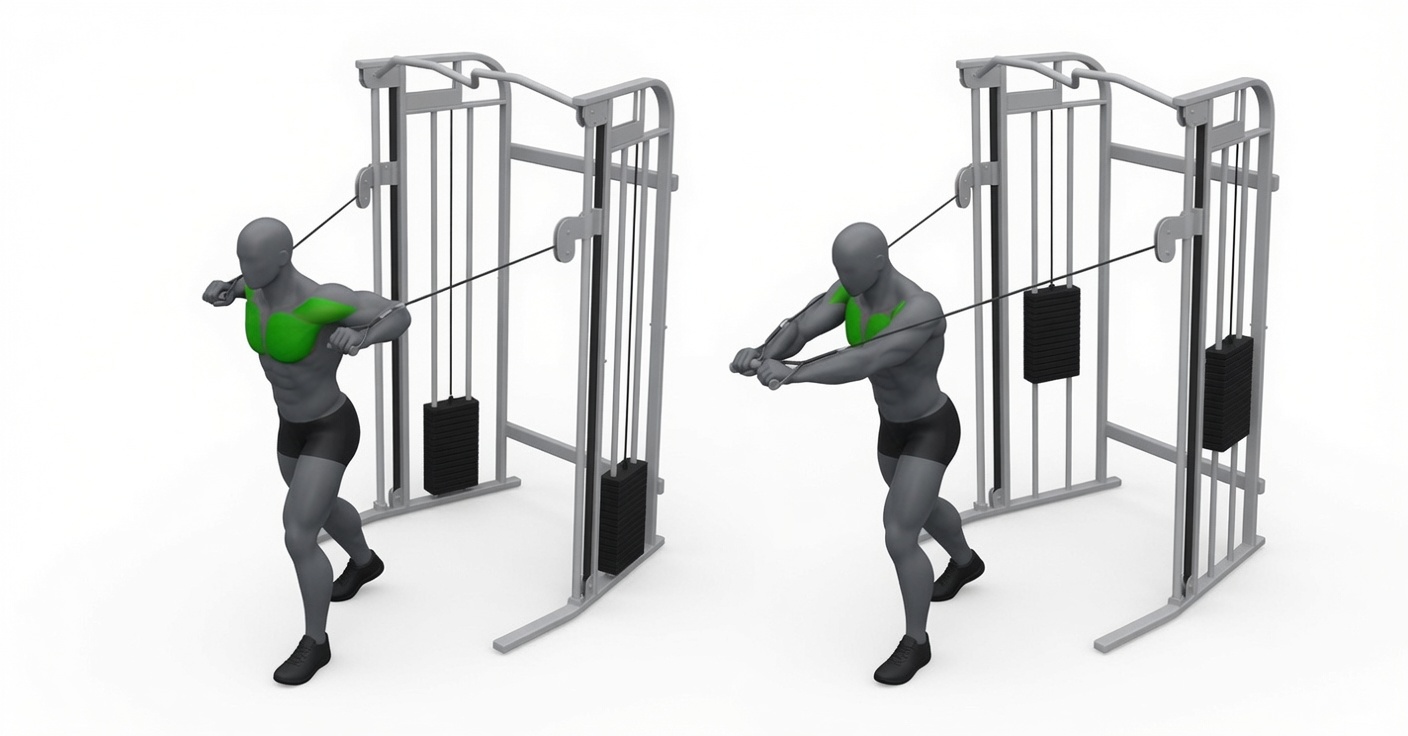
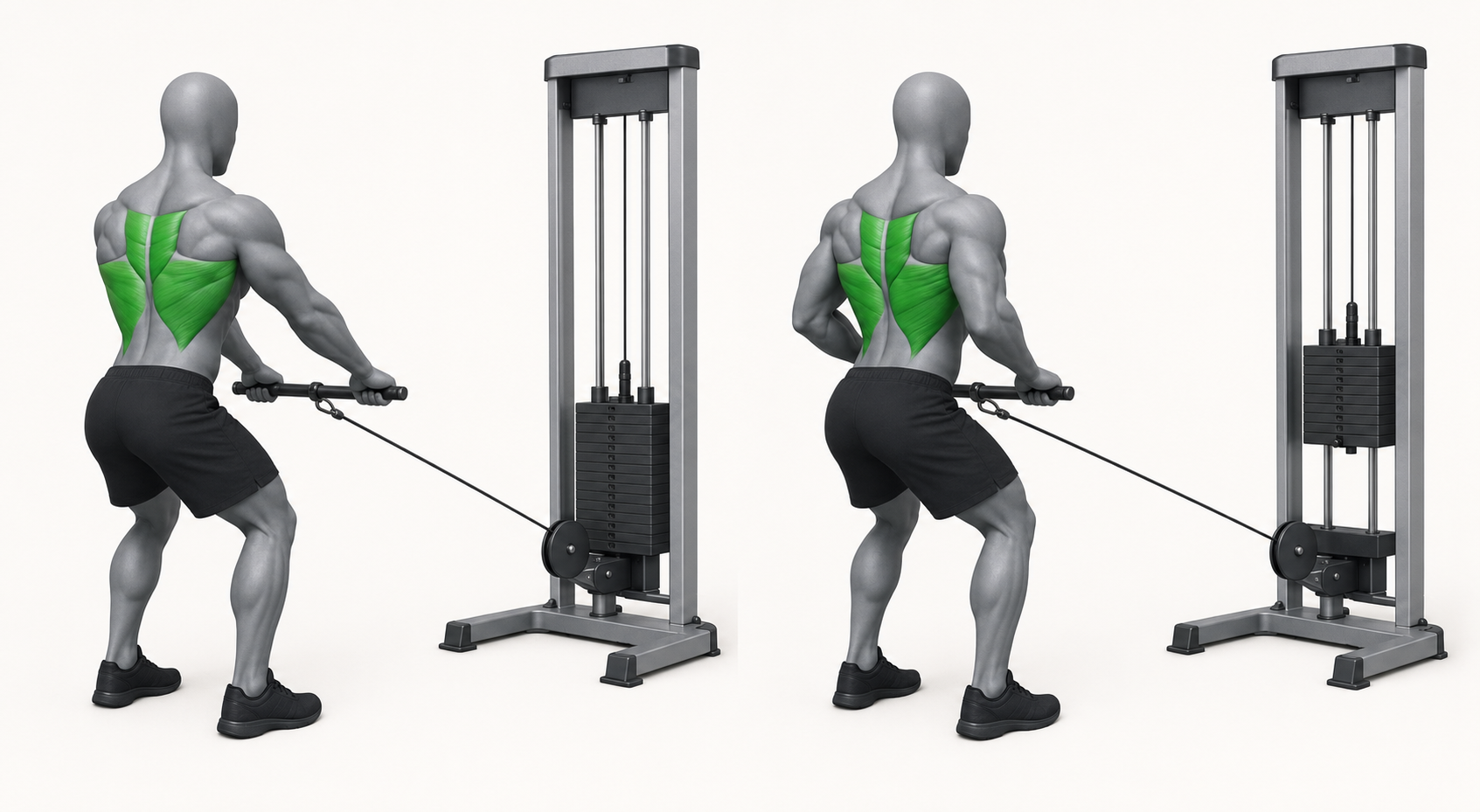
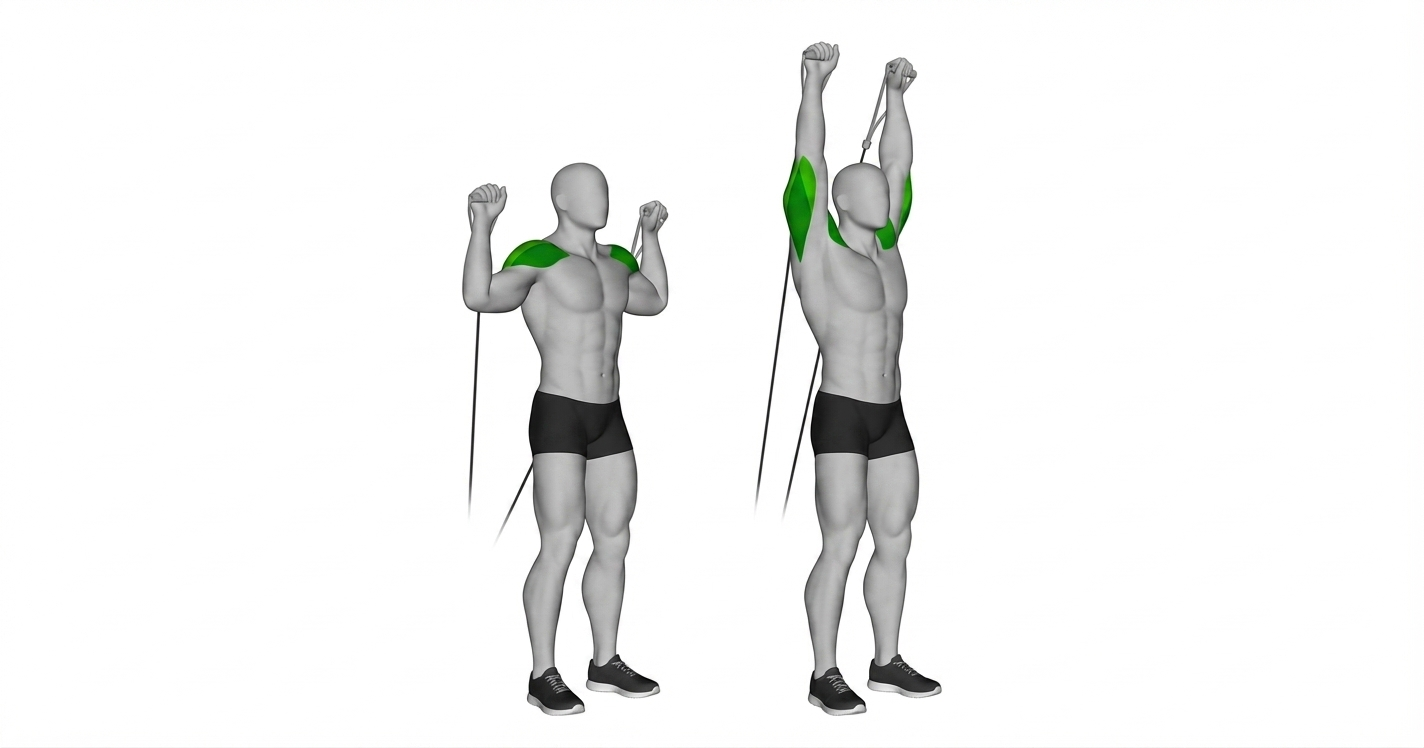

Set both cable arms before the first pair so the press-to-row transition is short. Keep the cable press controlled instead of letting the stack pull your shoulders back. On the row, finish with your elbows rather than turning the rep into a backward lean.
For the second pair, use a load you can press without arching your lower back. The pulldown should finish near the upper chest with your ribs controlled. If the cable station does not allow quick changes, use two nearby stations or complete the press and pulldown as conventional straight sets.
Perform these exercises one at a time. Lower-body compounds create more whole-body fatigue, so the plan does not force them into supersets merely to save a few minutes.
| Exercise | Sets | Reps | Rest |
|---|---|---|---|
| Leg Press (Machine) | 3 | 8–12 | 60–90 sec |
| Pull-Through (Cable) | 3 | 8–12 | 60–90 sec |
| Leg Extension (Machine) | 2 | 10–15 | 30–60 sec |
| Lying Leg Curl (Machine) | 2 | 10–15 | 30–60 sec |
| Dead Bug | 2 | 8–20 | 30–60 sec |
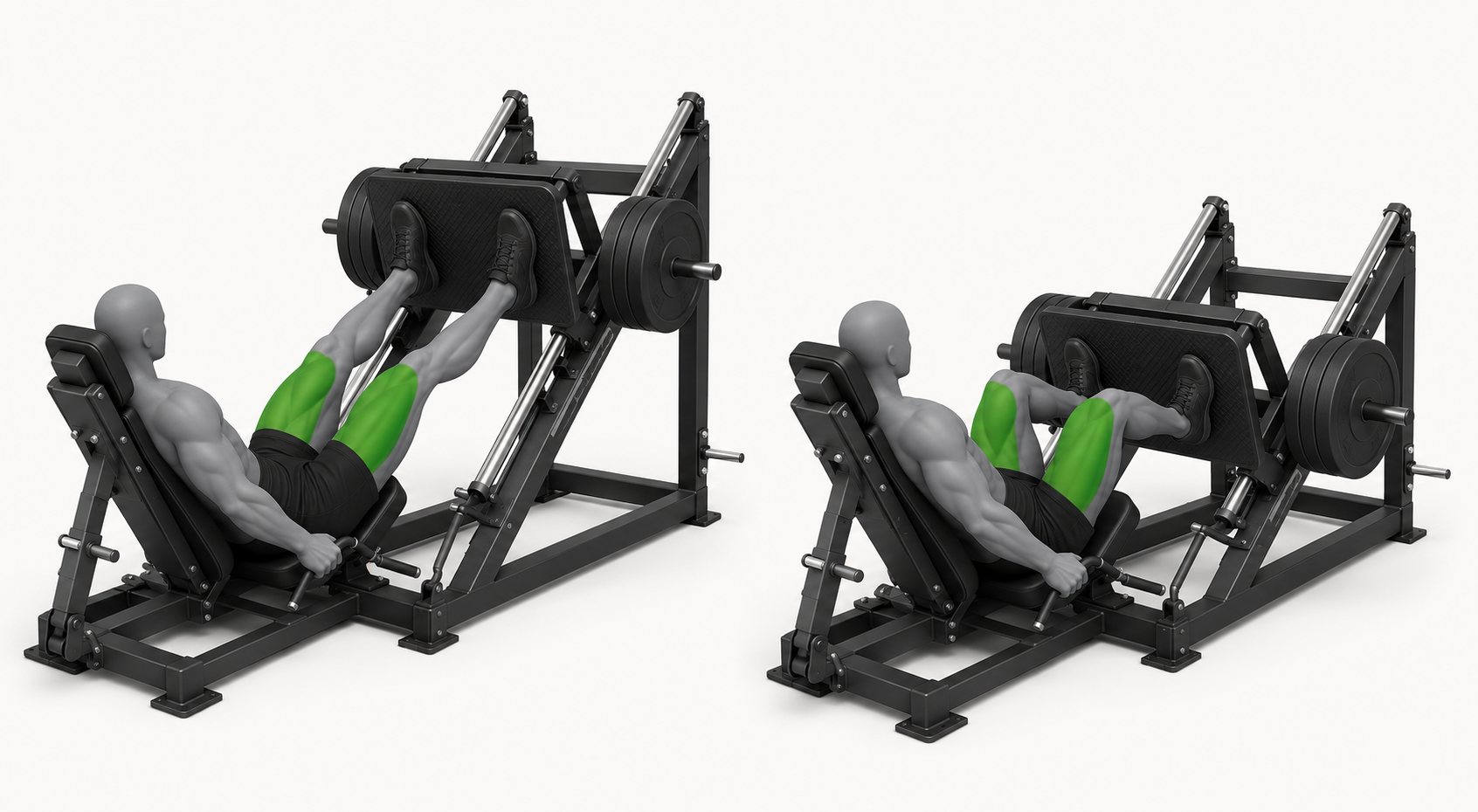
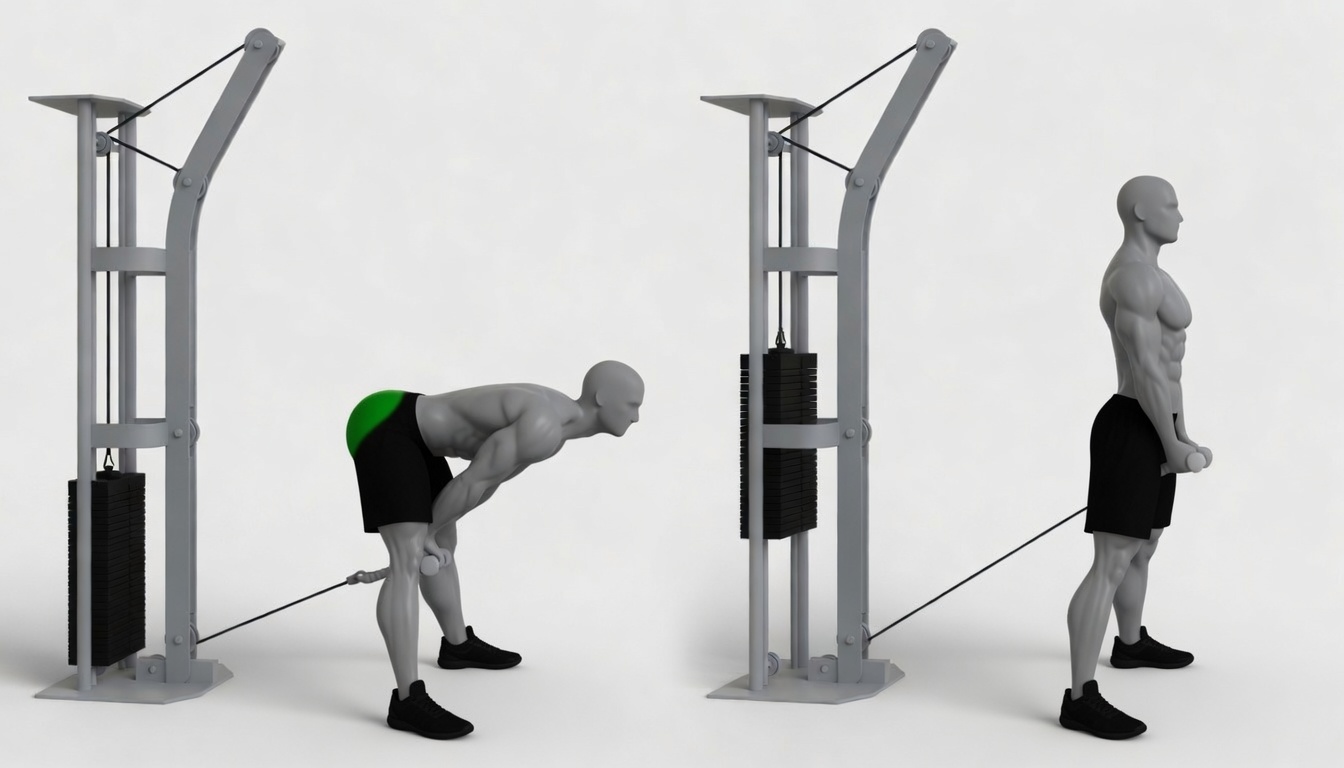
Use a leg-press depth you can control without your hips rolling away from the pad. The cable pull-through is a hinge: push your hips back, keep your shins relatively still, and stand by driving the hips forward rather than turning it into a squat.
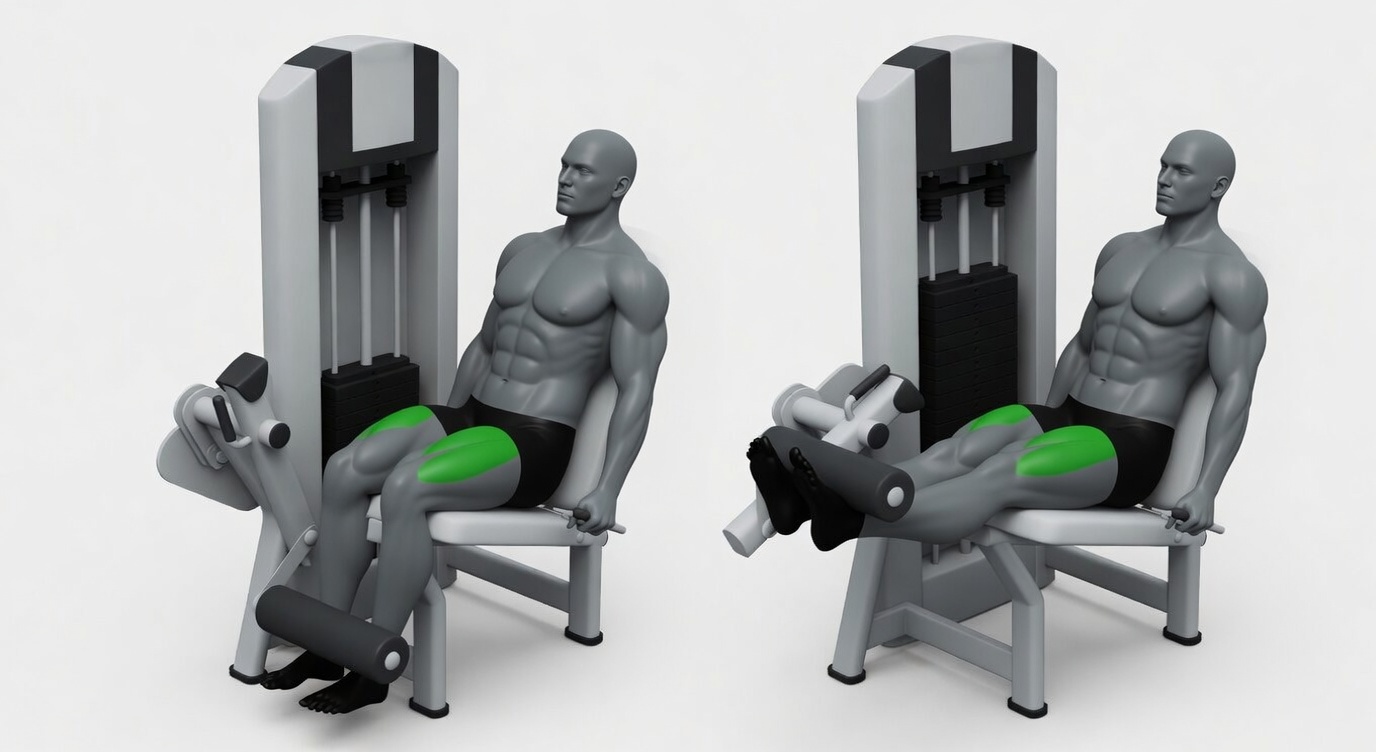
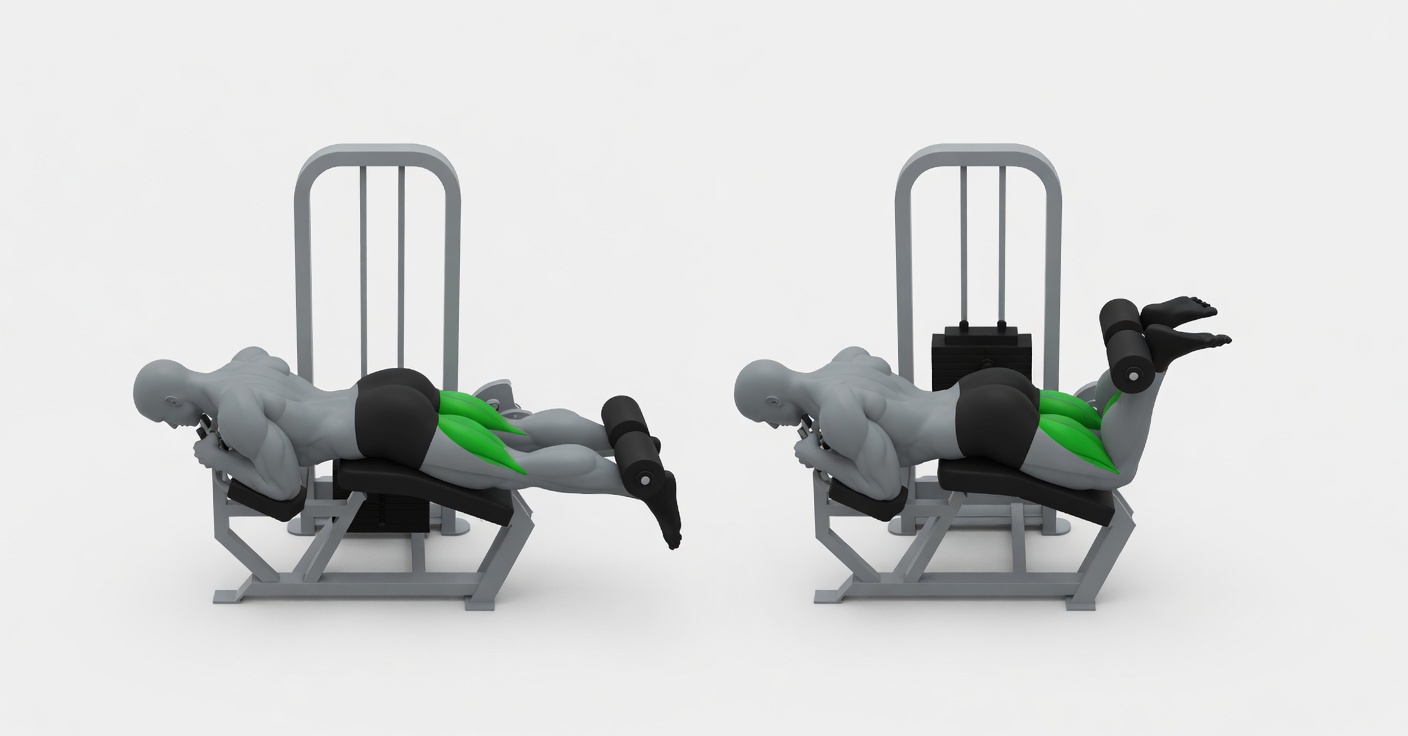
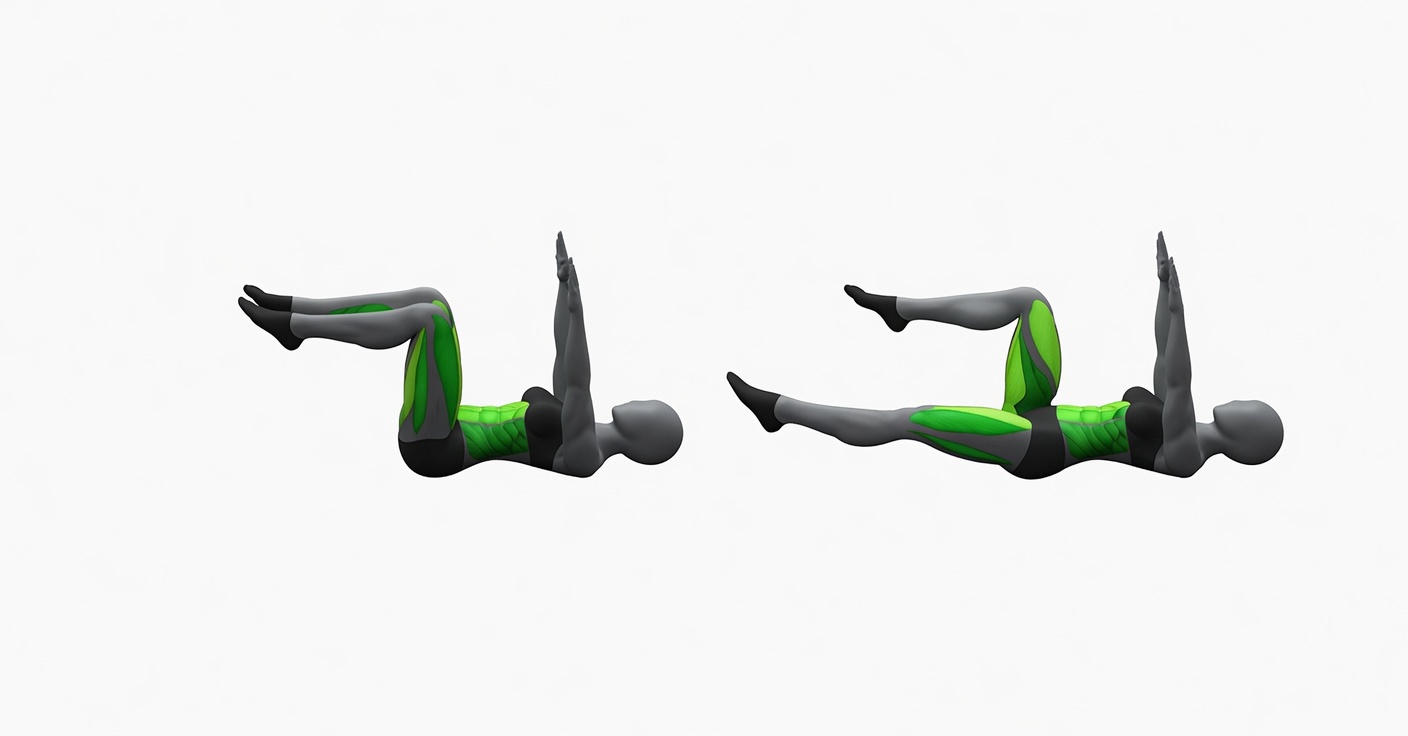
The extension and curl cover the front and back of the thigh with little setup. Finish with slow dead bugs. Stop each rep before your lower back lifts away from the floor.
The first pair shares an adjustable bench. The second and third pairs use a cable station. That organization is the main reason six exercises can fit inside a short session.
| Pair | Exercise | Sets | Reps | Rest after pair |
|---|---|---|---|---|
| A1 | Incline Bench Press (Dumbbell) | 3 | 8–12 | — |
| A2 | Incline Row (Dumbbell) | 3 | 8–12 | 60–90 sec |
| B1 | Chest Fly (Cable) | 2 | 10–15 | — |
| B2 | Rear Delt Fly (Cable) | 2 | 10–20 | 30–60 sec |
| C1 | Hammer Curl (Cable) | 2 | 10–15 | — |
| C2 | Rope Triceps Pushdown (Cable) | 2 | 10–15 | 30–60 sec |
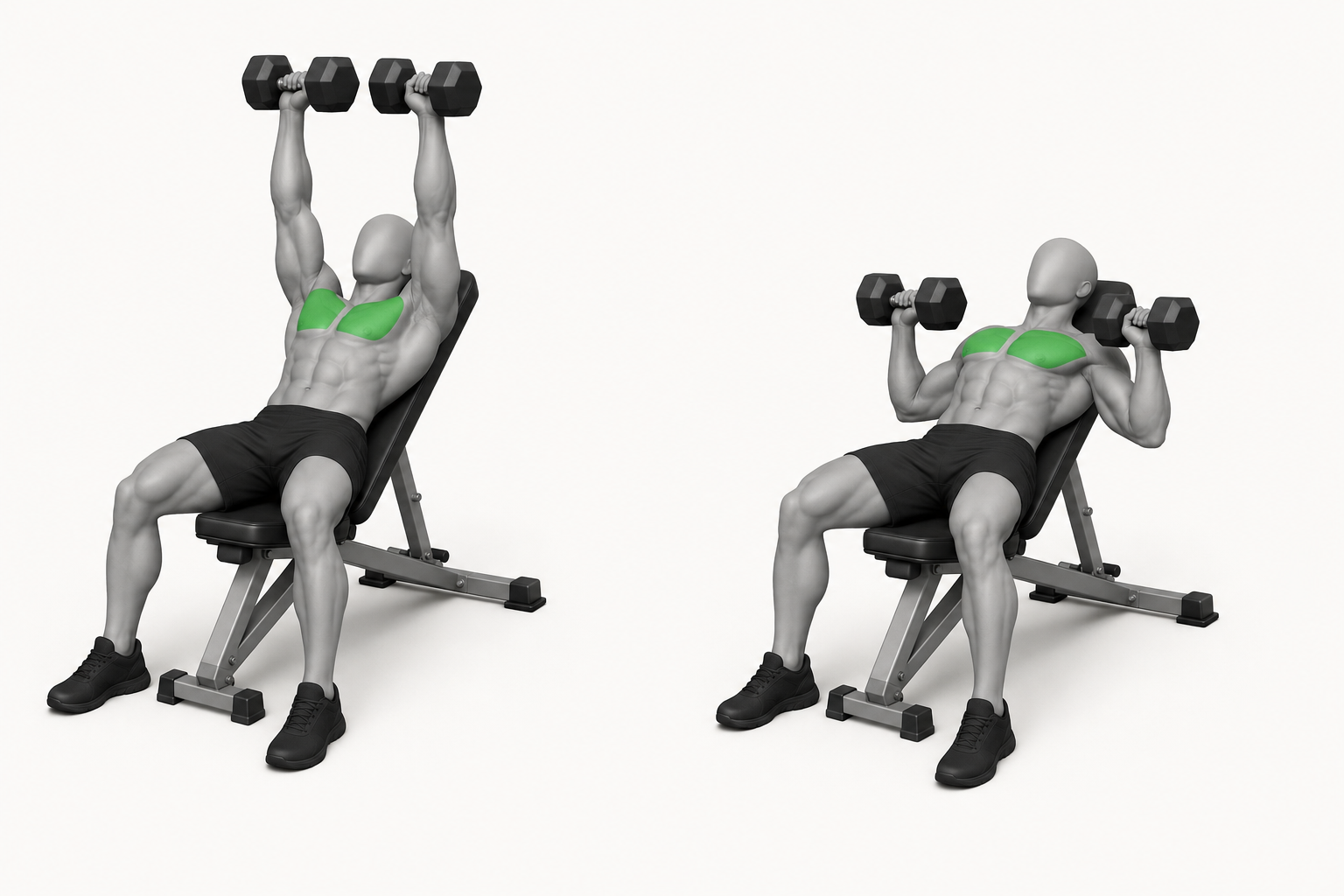
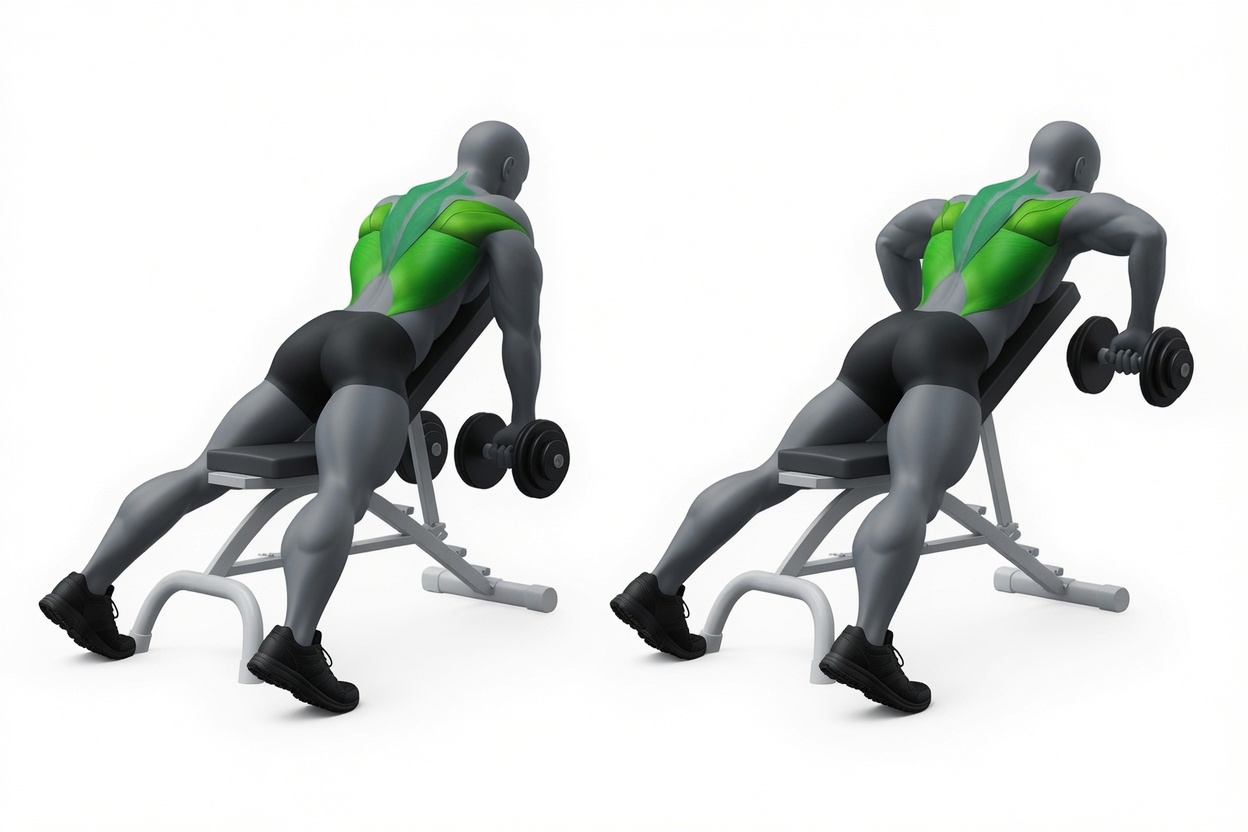
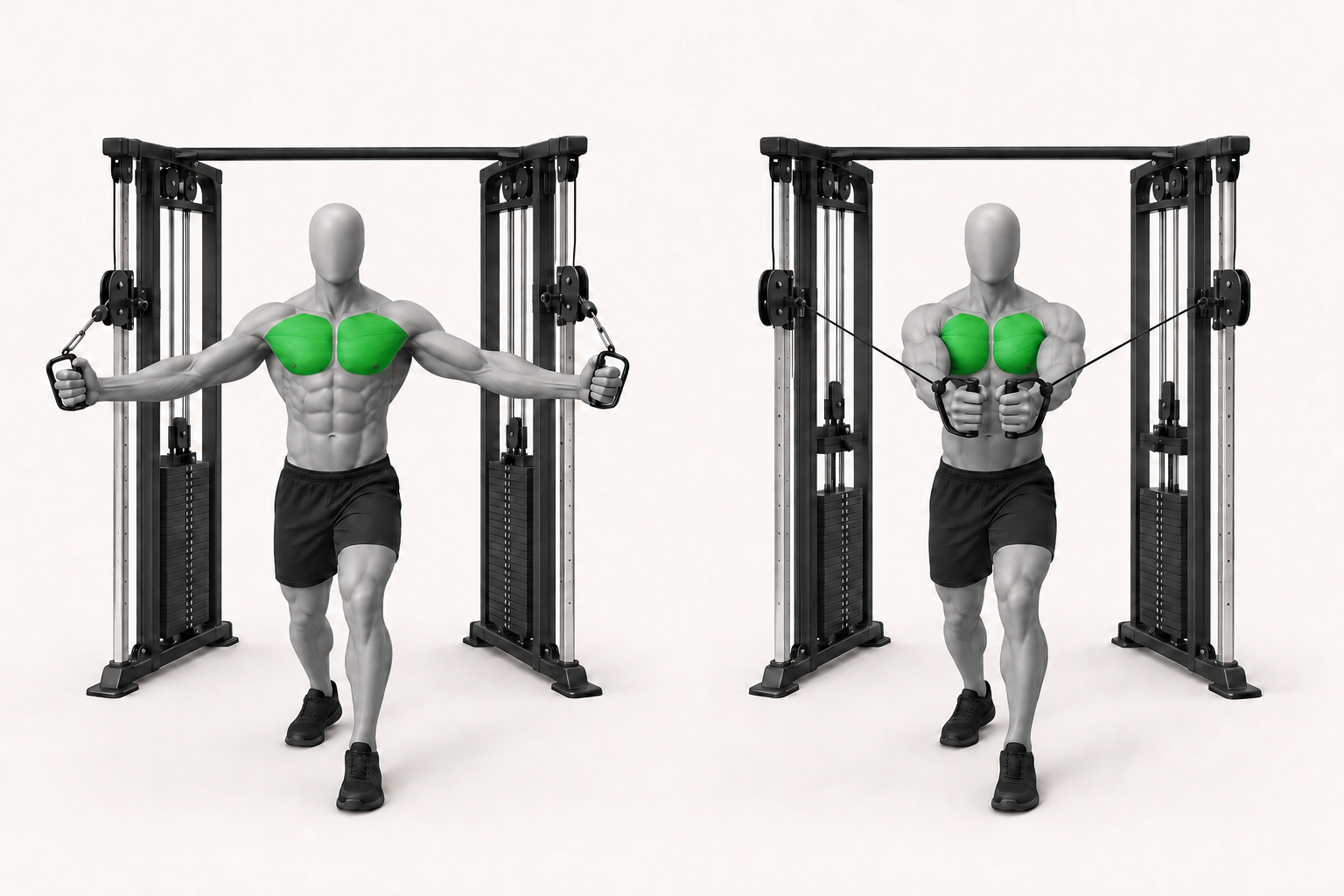
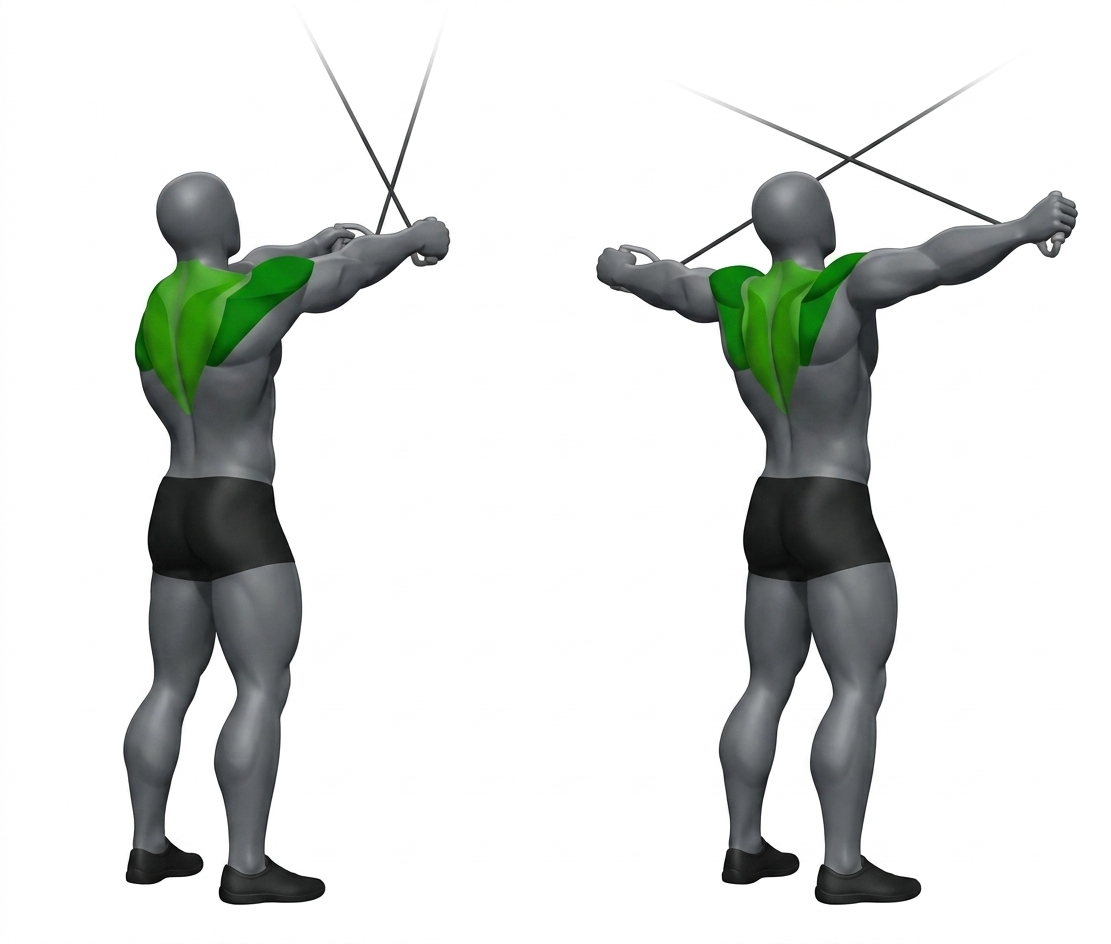
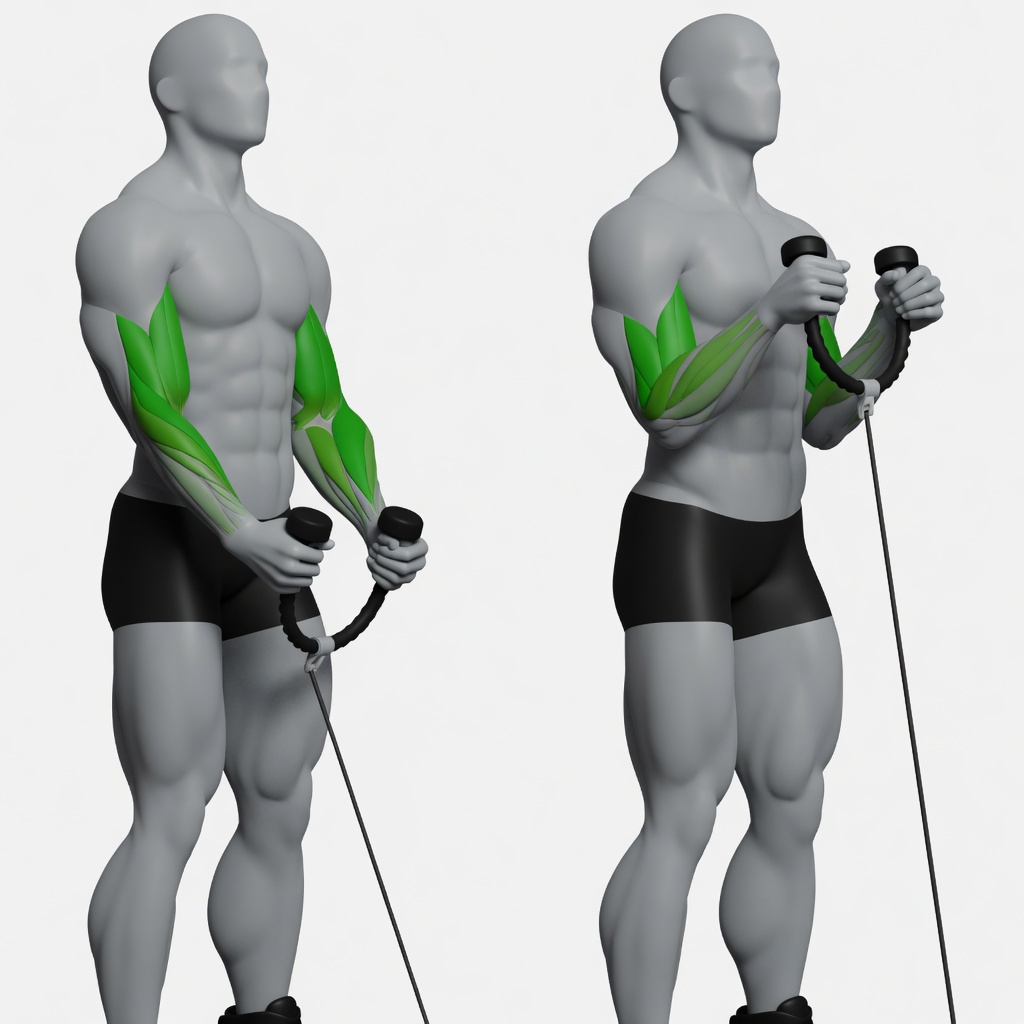
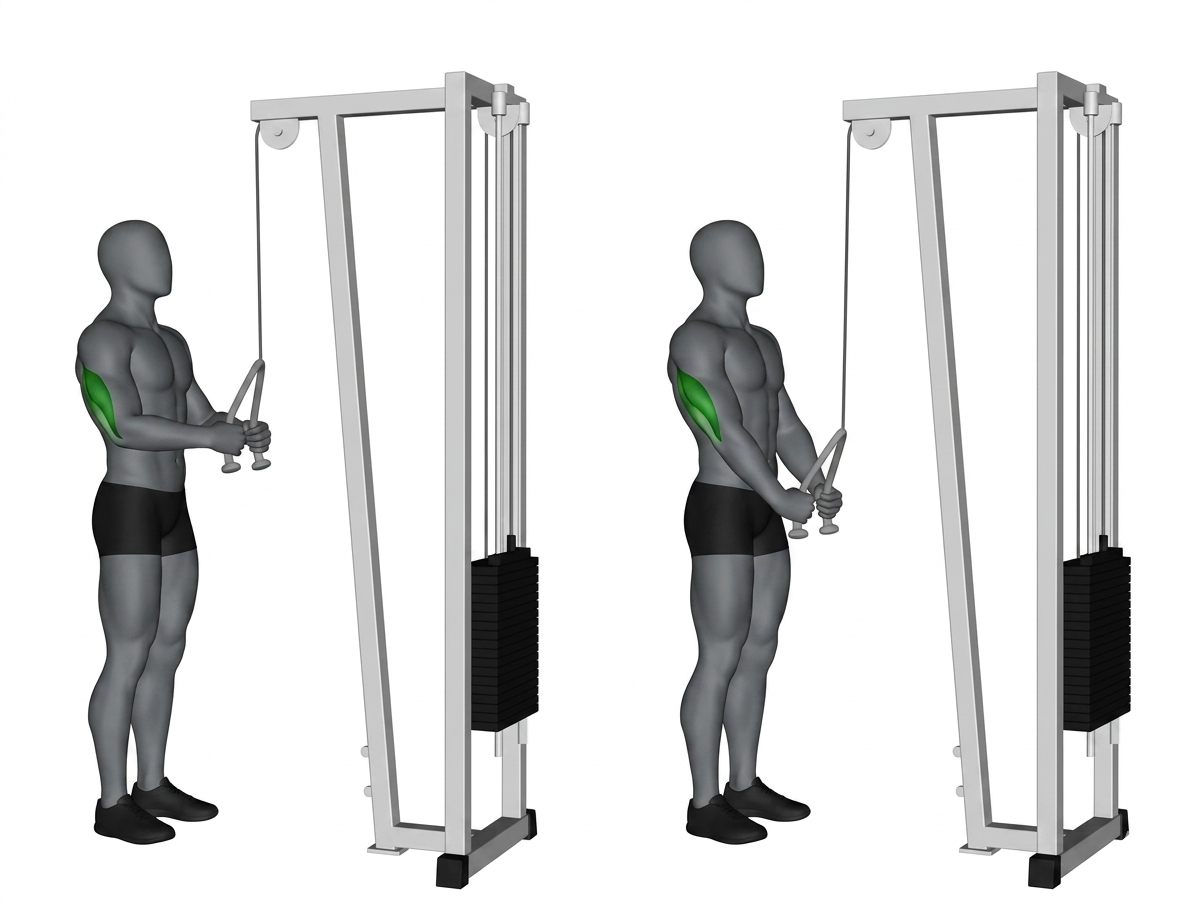
Keep the bench angle and dumbbells ready before you begin. On the incline row, support your torso and avoid bouncing the dumbbells from the bottom. The fly pair should use lighter resistance and controlled shoulder movement. Finish with the arm pair without turning either exercise into a full-body swing.
The final session uses longer rest for the squat and Romanian deadlift. Take the full two minutes when needed; cutting rest is not progress if the next set loses range of motion or control.
| Exercise | Sets | Reps | Rest |
|---|---|---|---|
| Squat (Smith Machine) | 3 | 8–12 | 60–120 sec |
| Romanian Deadlift (Dumbbell) | 3 | 8–12 | 60–120 sec |
| Seated Leg Curl | 2 | 10–15 | 30–60 sec |
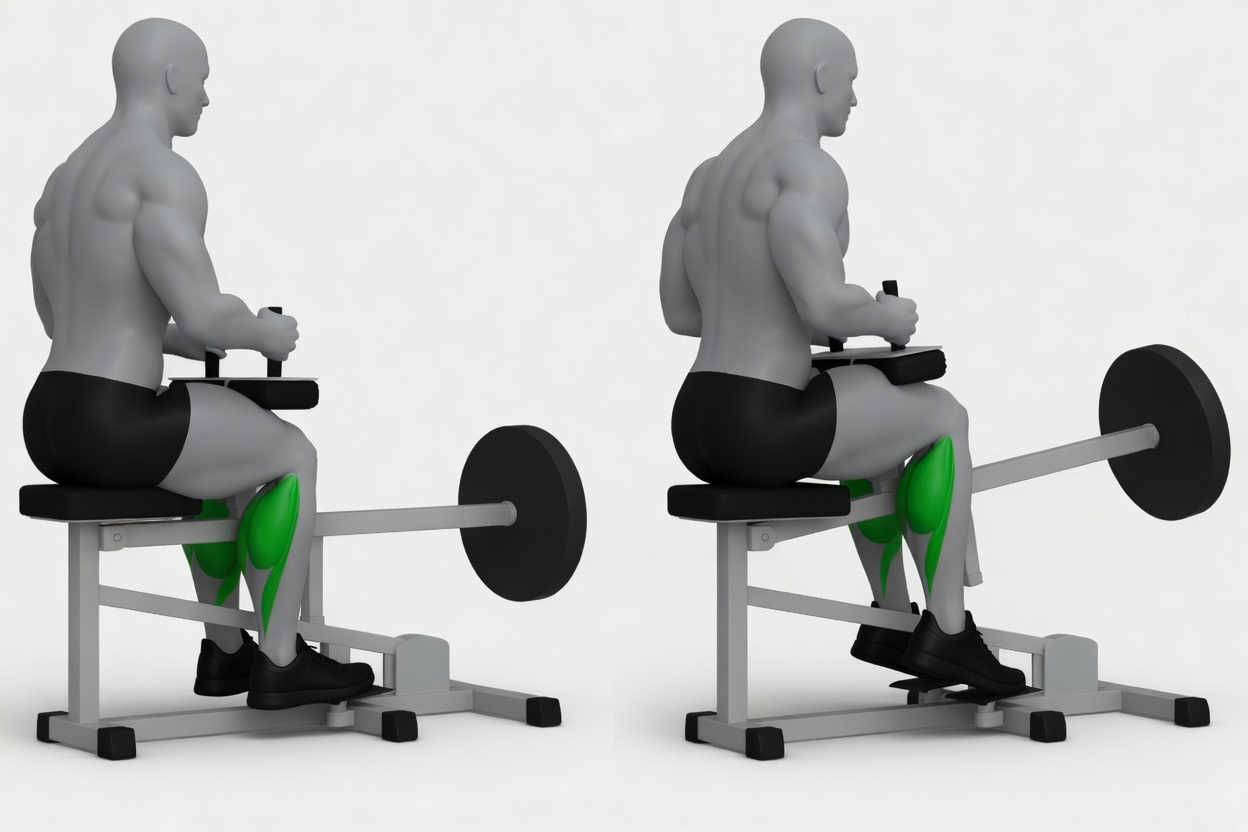
| Seated Calf Raise (Machine) | 2 | 10–20 | 30–60 sec |
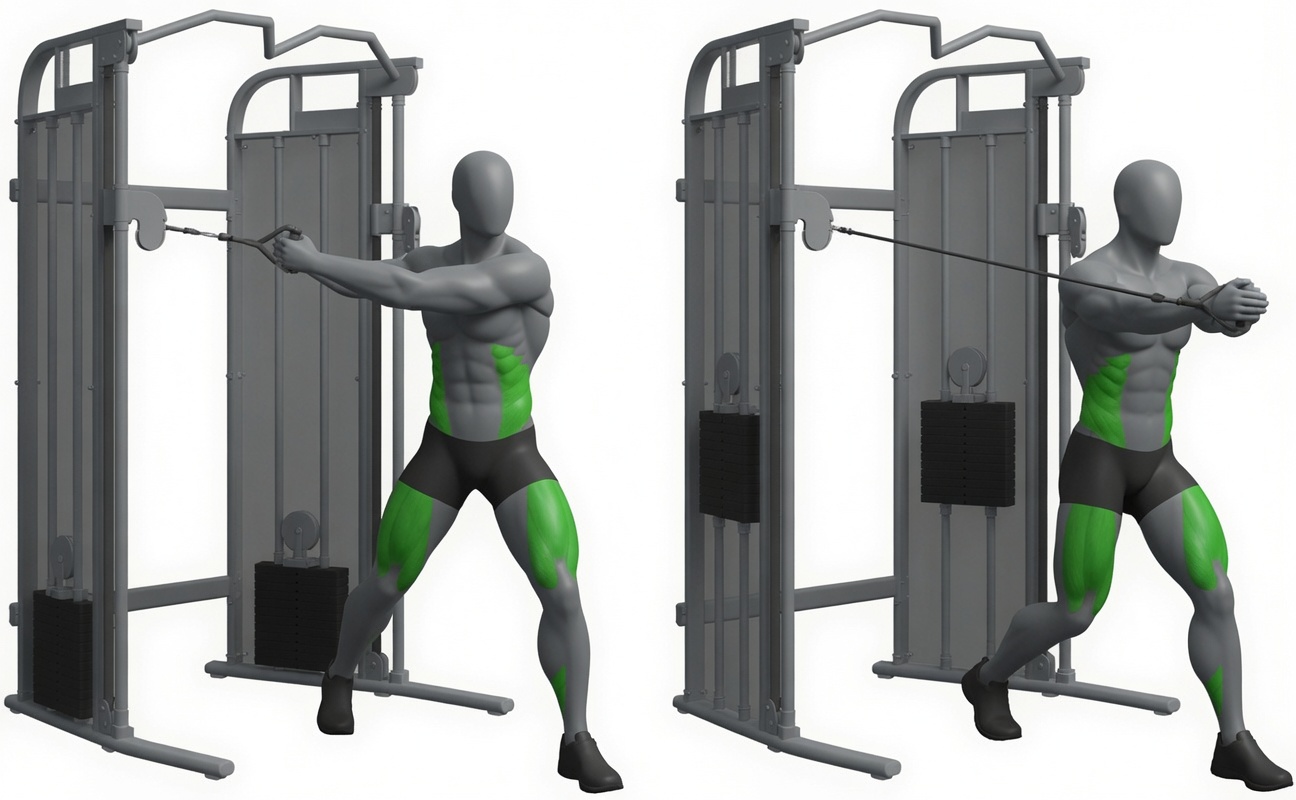
| Woodchop (Cable) | 3 | 8–20 | 30–60 sec |
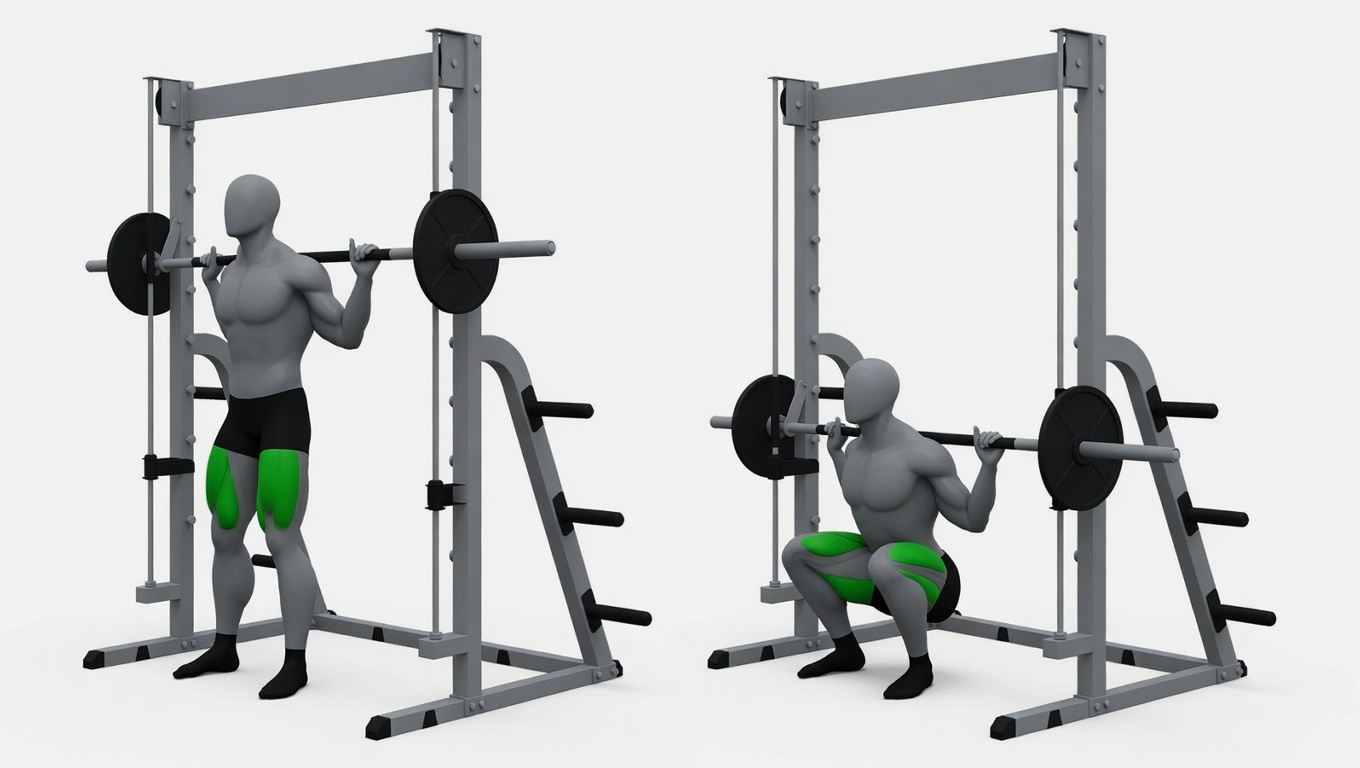
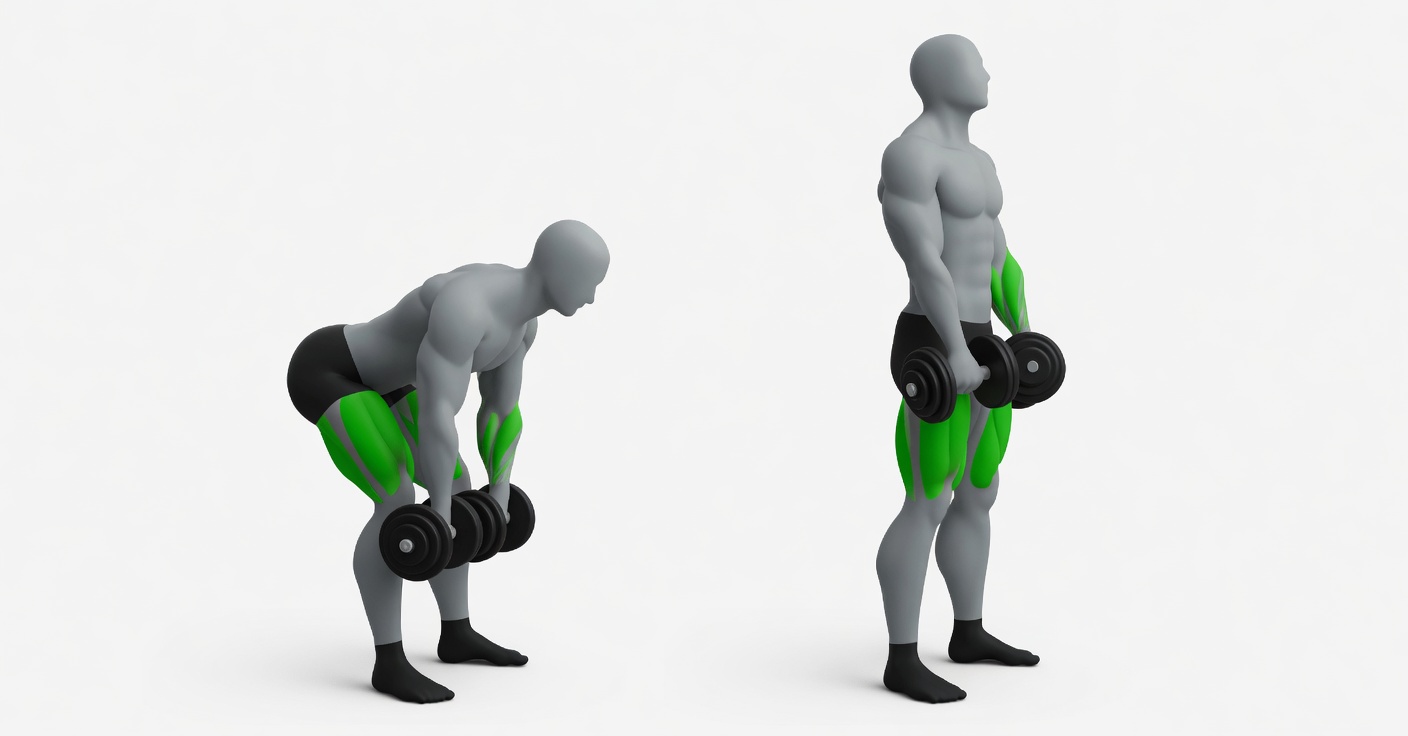
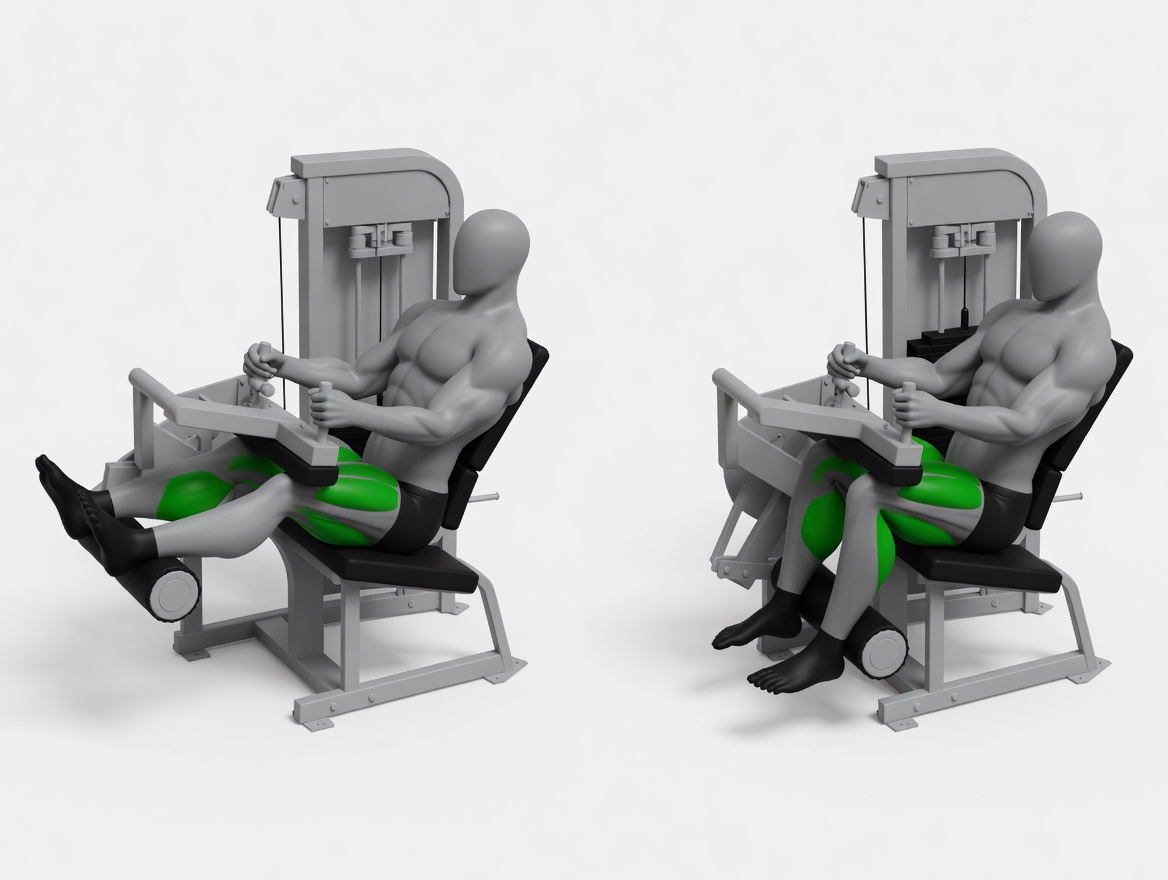
Choose a Smith-machine foot position that lets you squat without your heels lifting or your pelvis tucking sharply at the bottom. During the dumbbell Romanian deadlift, keep the weights close and stop when you reach the end of your controlled hamstring range.
Use a full, unhurried range on the calf raise. On the woodchop, rotate through the upper back and hips while keeping the cable path controlled. Count the same number of reps on each side.
Short workouts succeed through preparation, not frantic reps.
The plan can still take 35 minutes on a crowded day or when you need extra warm-up sets. Treat the time range as a design constraint, not a reason to shorten safe rest or rush technique. Our rest-between-sets guide explains when the longer end of a rest range is useful.
Start with a load that lets you complete the bottom of the rep range while leaving about 2–3 reps in reserve. RIR is an estimate of how many clean repetitions you could still perform before failure.
For an 8–12 rep exercise, the load is appropriate when you can perform at least eight stable reps and could probably complete two or three more. Reduce the weight if you cannot reach eight reps, lose the intended range, or use momentum. Increase it later if 12 reps are easy and your technique does not change.
Warm-up sets do not count toward the table. Before the first compound movement, perform 2–3 progressively heavier practice sets. One lighter preparation set is usually enough when a later exercise uses a similar movement or the same cable station.
Record the load exactly as the machine or dumbbell presents it. Different cable ratios and machines are not directly comparable. Consistent logging matters more than making two machines display the same number. See how to log workout weights and reps for equipment-specific examples.
Use double progression: add repetitions inside the listed range before adding weight.
Suppose you complete cable chest press with 60 pounds for 12, 11, and 10 reps. Keep 60 pounds next time and try to improve the second or third set. Once all three sets reach 12 with consistent technique and 60–90 seconds of rest, add the smallest practical load. Your reps may return to eight or nine, and the process begins again.
| Training block | Main objective | Coaching focus |
|---|---|---|
| Weeks 1–2 | Establish repeatable technique | Use conservative loads and learn the station changes. |
| Weeks 3–4 | Add clean repetitions | Keep the same load until more sets approach the top of the range. |
| Weeks 5–6 | Add small amounts of load | Increase only after every set reaches the top of its range. |
| Weeks 7–8 | Continue or reduce fatigue | Progress if performance is stable; use a lighter week if it declines. |
The program repeats the same four workouts each week. Week B is not an automatic exercise rotation. It is a coaching prompt to add reps or load where Week A technique was repeatable. Bazu Premium can provide progressive-overload targets, but your form, recovery, and judgment still determine whether to accept the next increase. Read the progressive overload guide for more examples.
Short notes on progression, workout logging, and product improvements. No noisy fitness spam.
This site is protected by reCAPTCHA and the Google Privacy Policy and Terms of Service apply. See our Privacy Policy for details on how Bazu handles submissions.
These replacements come from the same Routine Library program. Keep the original exercise when it is available and comfortable. When you substitute, use the same sets, reps, rest range, and progression method as the planned slot.
| Planned exercise | Catalog-approved substitutions |
|---|---|
| Chest Press (Cable) | Seated Cable Chest Press; Cable Crossover |
| Standing Two-Arm Cable Row | Single-Arm Cable Row; Seated Cable Row |
| Overhead Press (Cable) | Seated Cable Shoulder Press; Alternating Shoulder Press |
| Lat Pulldown (Cable) | Close-Grip Cable Lat Pulldown; Wide-Grip Pulldown |
| Leg Press (Machine) | Smith Machine Squat; Belt Squat |
| Pull-Through (Cable) | Cable Kickback |
| Leg Extension (Machine) | No catalog replacement; return later or skip it for that session |
| Lying Leg Curl (Machine) | Seated Leg Curl; Standing Leg Curl |
| Dead Bug | Bird Dog |
| Incline Bench Press (Dumbbell) | Dumbbell Bench Press; Dumbbell Incline Fly |
| Incline Row (Dumbbell) | Dumbbell Row; Dumbbell Seal Row |
| Chest Fly (Cable) | Cable Crossover; Seated Cable Chest Press |
| Rear Delt Fly (Cable) | Cable Reverse Fly; Face Pull |
| Hammer Curl (Cable) | Cable Biceps Curl; Cable Concentration Curl |
| Rope Triceps Pushdown (Cable) | Cable Overhead Triceps Extension; Triceps Pushdown |
| Squat (Smith Machine) | Leg Press; Belt Squat |
| Romanian Deadlift (Dumbbell) | Dumbbell Stiff-Leg Deadlift; Single-Leg Romanian Deadlift |
| Seated Leg Curl | Lying Leg Curl; Standing Leg Curl |
| Seated Calf Raise (Machine) | Standing Calf Raise; Leg-Press Calf Raise |
| Woodchop (Cable) | Cable Reverse Woodchop; Cable Russian Twist |
Do not change exercises every week just for variety. A consistent movement gives your training log a stable comparison. Substitute when access, comfort, or a genuine equipment constraint requires it.
Continue with the next workout in sequence. If you miss Tuesday Lower A, perform Lower A on your next available day instead of skipping directly to Upper B. Do not combine two sessions into a one-hour catch-up workout.
When a week becomes unusually busy, complete as many sessions as you can with normal effort, then resume the order. One imperfect week does not require restarting the eight-week cycle.
If four gym visits repeatedly fail to fit your calendar, the schedule is the wrong tool. Move to a three-day plan rather than treating missed sessions as a motivation problem.
Low program volume does not eliminate fatigue. Sleep, work stress, travel, and nutrition affect what you can recover from.
Consider a lighter week after 6–8 weeks, or sooner when several of these appear together:
For a lighter week, keep the same exercises but reduce the load, stop farther from failure, or perform fewer working sets. Resume normal training when performance and recovery stabilize. Stop any exercise that causes sharp or unusual pain and seek qualified help when needed.
This guide uses the exact Busy Professional (30 Minute) program from the Bazu Routine Library. It is a Bazu Premium program for intermediate lifters with full-gym access.
Review all four days, add them to My Routines, and start Upper A without rebuilding the plan exercise by exercise. Bazu keeps your working weights, reps, rest timing, substitutions, and workout history together on iPhone and Android.
Yes. A focused 30-minute workout can support strength and muscle when it includes challenging sets, covers the major movement patterns across the week, and progresses over time. This plan uses four 25–35 minute sessions rather than trying to train the whole body in one short workout.
A good plan is one you can repeat around your schedule. This four-day upper/lower split uses two upper-body sessions with paired exercises and two lower-body sessions with sequential exercises, giving each region two weekly training exposures.
Arrive with the workout open, keep warm-ups specific, use one cable station or bench for each upper-body pair, follow the listed rest periods, and avoid adding unplanned exercises. Equipment waits can push some sessions closer to 35 minutes.
Use one of the catalog-approved substitutions in this guide and keep the same sets, rep range, and rest range. If no approved replacement is listed, return to the exercise later or skip it for that session instead of choosing a random movement.
Run the plan for at least eight weeks. Continue longer while your repetitions, loads, technique, or consistency are improving. Consider a lighter week after six to eight weeks, or sooner if performance and recovery decline.
It is designed for intermediate lifters who already know the main gym movement patterns and can train four days per week. A beginner may find a two- or three-day full-body plan easier to learn and recover from.
Yes. Open the Busy Professional program in Bazu Premium, review all four training days, add the program to My Routines, and start the first workout. The program is available on iPhone and Android.
The clock creates useful boundaries, but it does not replace training quality. Prepare the station, perform the programmed work, record it, and leave. Then return to the next session and improve a rep or a small amount of load when your technique supports it.
That repeatable process is what makes a 30-minute gym workout useful for a busy schedule.

Founder of Bazu · 10+ years strength training
I'm the builder and user of Bazu. I've been lifting for over 10 years across strength and hypertrophy work, and I built Bazu to make progress simpler for serious lifters — every feature is designed around how real training actually works.
Continue with a relevant calculator, exercise guide, or Bazu feature.
Estimate your 1RM and percentage-based training loads from a hard set.
ExploreExerciseBrowse proper form, muscles worked, mistakes, and progression advice.
ExploreProduct updateSee how Bazu keeps every personal record tied to your training history.
ExploreProductSee how logging, permanent PRs, charts, and workout history fit together.
ExploreThis exact four-day, 30-minute program is ready in Bazu Premium. Review every workout, add it to My Routines, and start logging Upper A.
Start this routine in Bazu

Join for practical strength tips, cleaner logging workflows, and Bazu updates that help you know what to do next workout.
This site is protected by reCAPTCHA and the Google Privacy Policy and Terms of Service apply. See our Privacy Policy for details on how Bazu handles submissions.
Use this balanced 4-day upper/lower split to train each major muscle group twice per week, with exercises, sets, reps, rest times, and progression rules.

Follow a complete 3-day full-body workout for beginners with exercises, sets, reps, rest times, substitutions, progression, and an 8-week tracker.
Learn proper squat depth for strength and muscle, how anatomy and mobility affect range, and when to stop above, at, or below parallel.
Find the best bench press alternatives for chest growth and strength. Compare dumbbells, push-ups, machines, floor presses, cables, and more.
Compare full-body and split workouts by muscle growth, strength, schedule, recovery, and missed sessions—then choose the routine you can progress.
Follow a complete three-day push pull legs routine with exercises, sets, reps, rest times, substitutions, and a simple progression plan for muscle growth.